
Last updated November 21, 2026
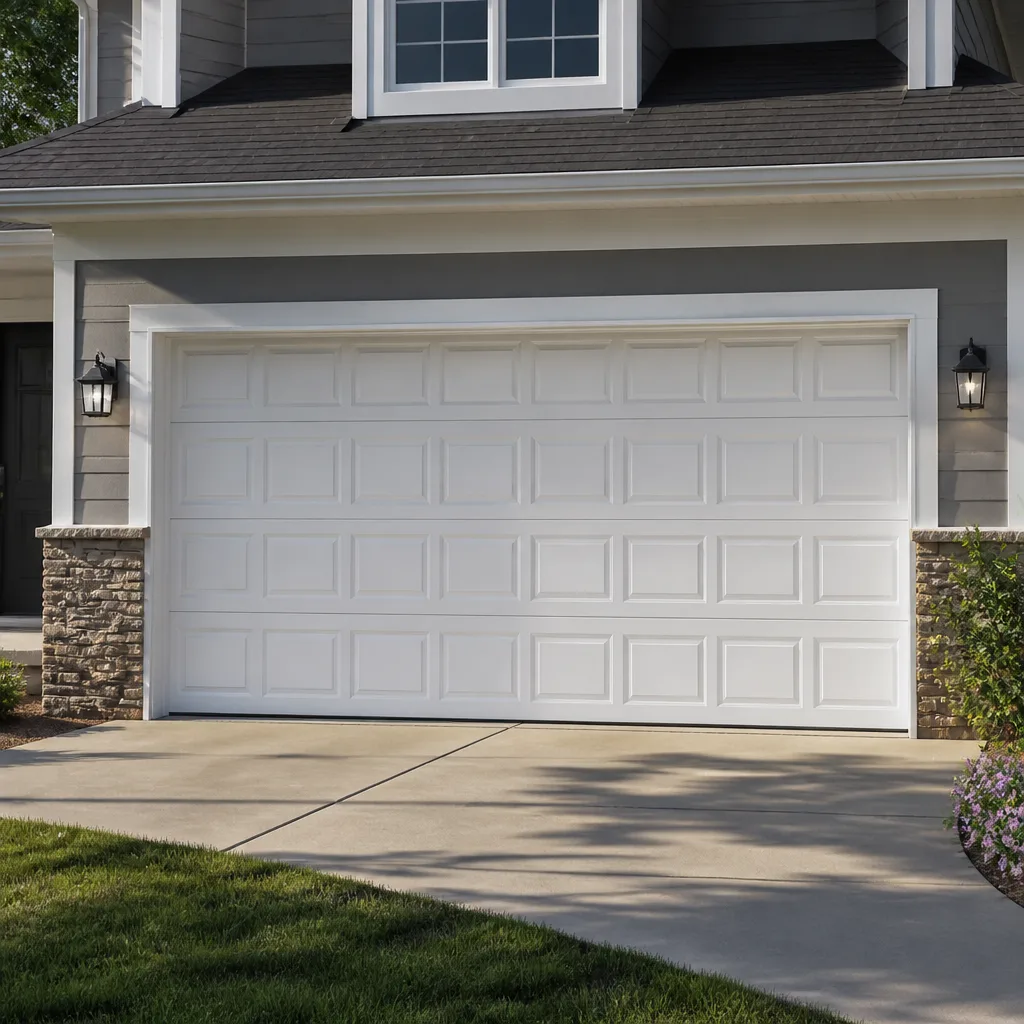 Raised-panel steel
 Carriage house
 Modern flush
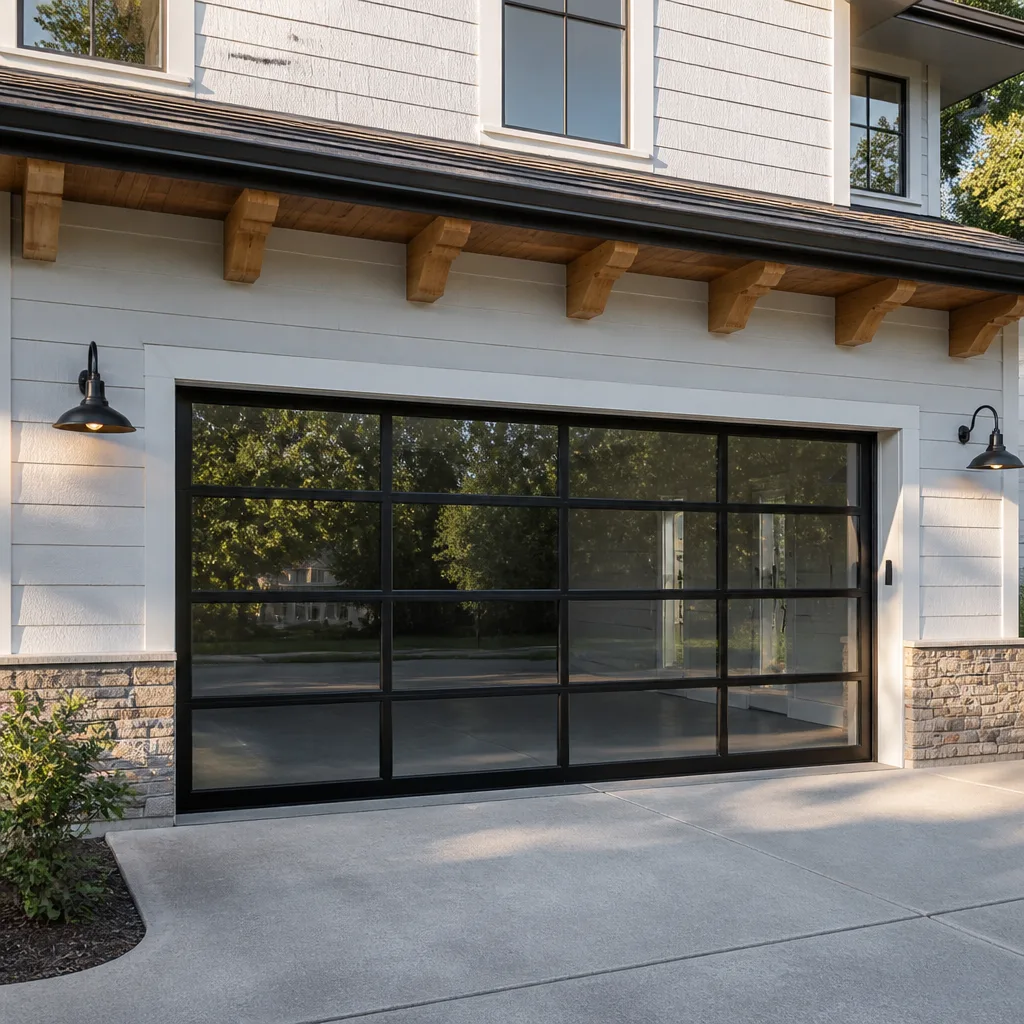 Full-view glass
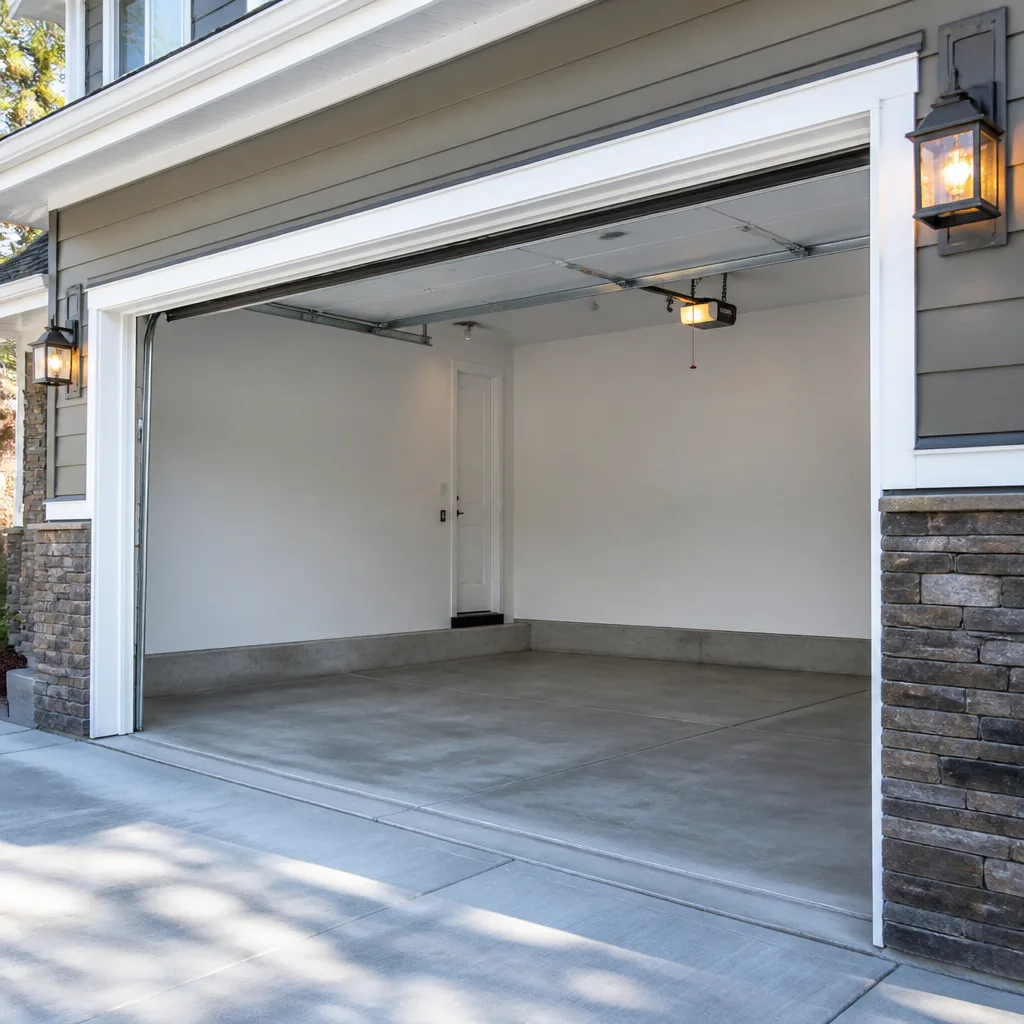 LiftMaster openers
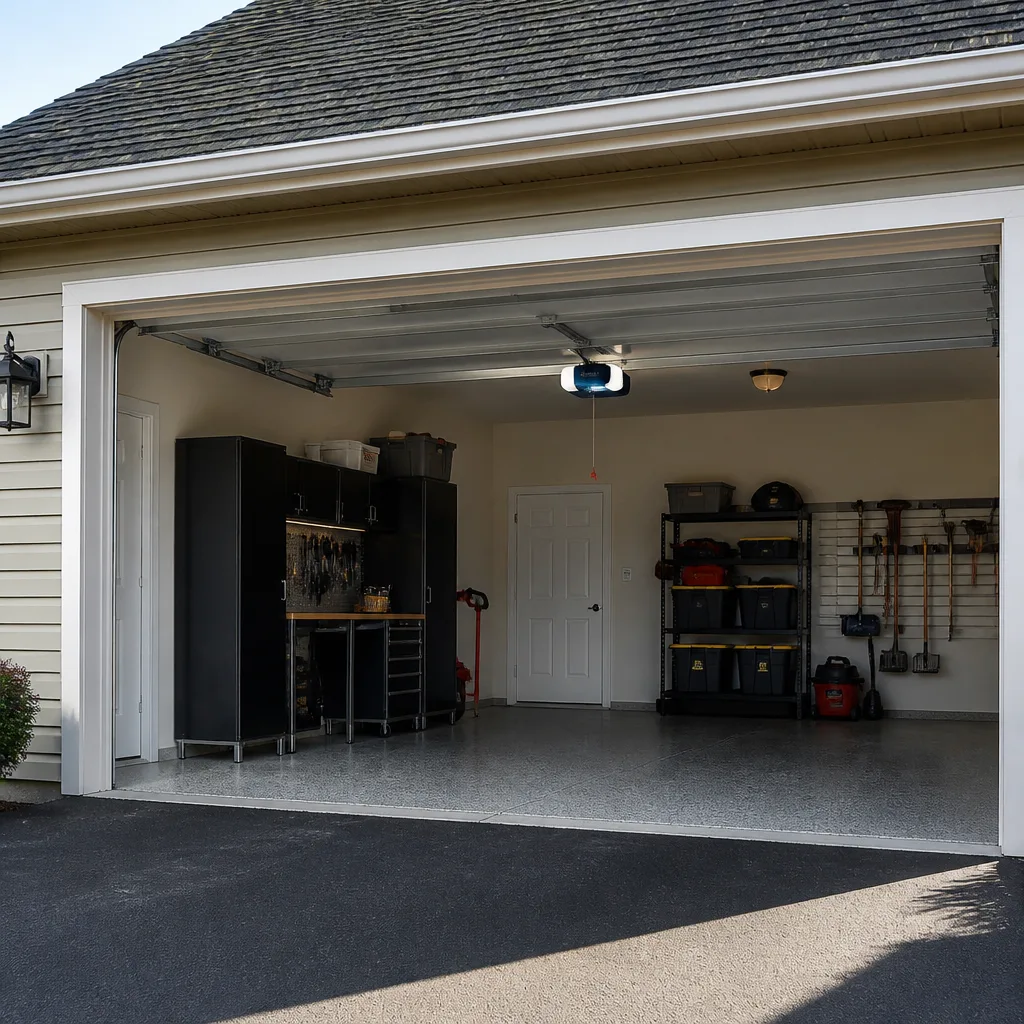 Chamberlain openers
Full 25-point door and opener safety check with every visit - springs, cables, rollers, tracks, and your LiftMaster or Chamberlain opener included
You get a price before we start. It does not change when the pro arrives.
Get your free estimateGarage Door Repair Maintenance Checklist for Bergen-Lafayette Homeowners
Most Bergen-Lafayette homeowners don’t skip garage door maintenance. They just do it wrong. The number-one mistake we see isn’t a neglected door – it’s a door that gets lubricated in all the wrong places, which quietly speeds up wear on rollers and tracks in the kind of humid air this neighborhood lives with. This guide is built for Bergen-Lafayette specifically: the tight urban garages, the Hudson River damp, and the failure patterns that show up after a Jersey winter. You’ll get a month-by-month task calendar, the exact components to watch, the three jobs to leave to a technician, and a simple way to log it all so a warranty claim never gets disputed.
Styles & brands we work with
- Raised-panel steel
- Carriage house
- Modern flush
- Full-view glass
- LiftMaster openers
- Chamberlain openers
Quick Answer
A Bergen-Lafayette garage door needs lubrication every 4 to 6 months with a silicone- or lithium-based spray rated for temperature swings, a monthly visual check of springs, cables, rollers, and the photo-eye safety sensors, and a professional tune-up once a year before winter. Skip the hinges, rollers, and tracks when you spray – those are the parts that fail fastest in high humidity. The three tasks never to attempt yourself are torsion spring work, cable replacement, and panel or track repairs under tension.
Table of Contents
- Why a Bergen-Lafayette Maintenance Checklist Is Different
- Which Components Corrode Fastest in Hudson County Humidity
- The Month-by-Month Task Calendar
- Homeowner-Safe Tasks vs. the Three Jobs That Require a Technician
- Choosing Lubrication That Holds Up in Jersey Temperature Swings
- How to Log Maintenance (and Why It Matters)
- Brand-Specific Quirks Worth Knowing
- The Pre-Winter Reset Checklist
- Common Mistakes to Avoid
- When to Call a Professional
- Frequently Asked Questions
- The Bottom Line
Why a Bergen-Lafayette Maintenance Checklist Is Different
National home improvement sites hand you a checklist built for a house in Scottsdale or a split-level in Kansas. That checklist assumes dry air, a two-car suburban garage, and a door that sits idle most of the day. None of that describes Bergen-Lafayette. Here the garage is often a tight, low-ceiling space tucked under or behind the house. The air off the Hudson is damp most of the year. Winter brings freeze-thaw cycles that work on every moving part. And the door itself is opened and closed multiple times a day, not once.
That combination changes what you should be watching and when. In our experience, a Bergen-Lafayette door needs more frequent lubrication than a national guide suggests, and the parts that wear first are different. Tracks pick up moisture and grime faster. Rollers stiffen sooner. Bolts work loose more quickly because the door cycles more. A checklist that ignores the local climate and housing stock doesn’t actually help a homeowner here.
So this guide is written from the ground up for Bergen-Lafayette – the four distinct New Jersey seasons, the humidity patterns, and the ways people actually use their garages in a dense urban neighborhood. If you want the full service overview, start with Garage Door Repair Bergen-Lafayette, and come back here for the maintenance schedule itself. The schedule below assumes you want to protect your door for years, not just patch it when it fails.
Which Components Corrode Fastest in Hudson County Humidity
Humidity is the single biggest maintenance variable in Bergen-Lafayette, and it hits specific parts harder than others. You don’t need to guess. The corrosion pattern here is predictable once you know where to look. Here are the components that fail first, in order of how fast they go:
- Rollers and hinges. Steel rollers and hinge pins are the first to seize. When the grease dries out or thins in high humidity, the bare steel underneath catches moisture and starts to bind. Frozen rollers then drag on the track and wear it prematurely.
- The bottom bracket area. Low to the ground and often damp, the bottom bracket and the lower section of track take on moisture from the concrete floor and condensation. Watch for rust streaks and stiffness here first.
- Bolts and fasteners. Loose bolts aren’t corrosion per se, but humidity plus daily cycling causes vibration that backs fasteners out. A loose hinge or bracket lets the door wobble, and wobble accelerates wear everywhere else.
- Spring anchor plate and hardware. The springs themselves are usually steel under high tension. The mounting hardware around them can show surface rust, which is a signal to have a technician look it over – not a job to poke at yourself.
- The photo-eye lenses. The safety sensor lenses fog up and collect grime in damp air, which can cause the door to reverse unexpectedly. A wipe-down keeps them working.
Walk around the inside of your garage in Bergen-Lafayette and look at these five areas. On a humid day, run your hand along a roller. If it feels sticky or gritty, it needs clean lubrication before it seizes. If you can see rust on a hinge pin or a bracket, it’s already further along. That visual pass takes two minutes and tells you exactly where your month’s effort should go. If you find cable fraying or spring damage while looking, stop and call for garage door repair rather than trying to treat it as maintenance.
The Month-by-Month Task Calendar
Generic checklists split maintenance into “spring” and “fall.” New Jersey doesn’t cooperate with that. Bergen-Lafayette gets a wet, cold winter, a damp spring, a hot humid summer, and a short crisp fall, and each season stresses the door differently. This calendar follows the actual weather here. Adjust by a couple weeks if the season arrives early or late, but the sequence holds.
January and February: The Deep-Winter Holding Pattern
Cold is the enemy of every seal and every moving part. After a hard freeze, the door can be stiff and the opener motor works harder. In these months:
- Listen for a grinding or screeching sound when the door opens. Cold bare metal is noisier than lubricated metal, and if it screeches, it wasn’t properly lubricated in November.
- Check the bottom seal for cracking or hard spots. A frozen, stiff seal won’t lie flat and lets in cold air and moisture.
- Test the safety reverse monthly by placing a small board or the test object across the door’s path to confirm it reverses on contact.
- Don’t force a door that seems stuck. Ice in the track or a frozen spring needs thawing, not a bigger shove – call us if it won’t move.
March and April: The Thaw and Clean-Out
This is the most important transition of the year in Bergen-Lafayette. Freeze-thaw cycles have worked on everything, and spring damp invites corrosion. Do a full inspection and cleaning now:
- Vacuum or sweep the debris that collected in the tracks over winter. Grit in the tracks is the most common cause of a door that jumps or shudders.
- Wipe the tracks down and inspect for rust or dents.
- Oil the hinges, rollers, and any pivot points – but not the tracks themselves (more on that below).
- Check bolts and tighten anything that has loosened.
- Inspect the bottom seal and any weatherstripping for splits or gaps.
May through August: Humidity Management
This is where Bergen-Lafayette’s damp air does its quiet damage. Run the corrosion pass described in the previous section once a month, and lubricate everything again at the start of the humid stretch. Keep the tracks clean of any grit and watch for rollers that start to bind. The photo-eye lenses fog more in this window, so wipe them weekly if your door has reversed for no obvious reason.
September and October: The Pre-Winter Reset
Fall is your chance to fix everything before the cold locks it in. Do the full lubrication again, tighten the hardware, and test the opener’s force setting so the door closes fully against the seal as the temperature drops. If anything is noisy or stiff in October, it will be worse in January. This is the point in the year when a tune-up saves the most trouble.
November and December: Lock It Down
Before the hard freeze, do a final inspection. Confirm the seals are seated, the springs look intact (from a safe distance – never touch them), the safety sensors work, and the manual release still functions if you ever need to open the door by hand. Give the moving parts one more lubrication pass.
Homeowner-Safe Tasks vs. the Three Jobs That Require a Technician
There are plenty of maintenance jobs a homeowner can and should do. There are three that no homeowner should attempt, no matter how handy. The difference between them comes down to spring tension and stored energy. We mention this because safety is the whole reason a specialist exists.
Safe to Do Yourself
- Cleaning and vacuuming the tracks.
- Lubricating hinges, rollers, and pivot points with a proper product.
- Testing the safety reverse and photo-eye sensors monthly.
- Tightening visible bolts and hinge screws.
- Wiping down the door exterior and the sensor lenses.
- Visual inspection for rust, fraying, or misalignment.
The Three Jobs That Require a Technician
- Torsion spring repair or replacement. Torsion springs store enormous energy under tension. A handle that slips can cause serious injury or worse. This is a named core service for a reason – doing it right means proper winding bars, safety protocols, and matched springs, not trial and error.
- Cable replacement. Cables run under tension alongside the springs and are equally dangerous if they snap or come loose while you’re working. Cables and springs are handled together by a trained technician.
- Track or panel work that touches the door’s structure. A bent track or damaged panel isn’t just cosmetic – realigning or replacing it involves the entire door’s balance and tension. Undoing the wrong bolt can drop the door.
If you’re unsure where a job falls, err on the side of caution. If the work touches a spring or a cable, it’s not a maintenance task – it’s a repair, and it belongs to a certified technician. Our garage door opener repair team handles the electronics so you never have to open the motor housing yourself either.
Choosing Lubrication That Holds Up in Jersey Temperature Swings
Here’s the part most checklists skip: it isn’t enough to say “lubricate your door.” Bergen-Lafayette goes from around 10°F in January to the mid-90s in July. A lubricant that works in a mild climate can turn thick and tacky in the cold or thin and migrate in the heat. What you want is something that stays where you put it across that whole range.
In practice, that means a silicone-based or quality lithium-based spray designed for hardware and moving parts. Avoid heavy motor oil and avoid anything sticky that attracts dust. The wrong product collects grit, which does more damage than no lubrication at all – and that’s the counterintuitive point we opened with. Here’s a simple rule of thumb for which parts get what:
- Hinges, rollers, pivot points: silicone or lithium spray. Spray the pivot, not the whole roller.
- Torsion springs and cables: leave alone. If they need attention, that’s a repair, not maintenance.
- Tracks: keep them clean and dry. Never lubricate the tracks themselves – grease there traps debris and causes the door to slip or bind.
- Weatherstripping and seals: a light application of a silicone spray to keep them supple, not grease.
One more local note. Because Bergen-Lafayette garages sit close to the house and often lack strong ventilation, the wrong lubricant can leave a lingering smell for days. The silicone-based options are the least intrusive. Whichever product you choose, apply it in a thin coat and wipe off the excess after a cycle or two.
How to Log Maintenance (and Why It Matters)
Keeping a maintenance log isn’t busywork. It’s the documentation that protects you if a warranty claim is ever disputed, and it’s the first thing a technician wants to see when they arrive. A manufacturer can deny a claim for a part failure if there’s no record the door was maintained. A dated log is your side of that conversation.
You don’t need anything fancy. A small notebook in the garage or a note on your phone works. Log each task with enough detail that a stranger could read it. Here’s a format that covers what matters:
- Date. Every entry, every time.
- What you did. “Lubricated hinges and rollers with silicone spray” is better than “lubed door.”
- What you observed. “Roller on the left side feels stiff” or “bottom seal starting to crack.” These notes tell the technician where to look.
- Product brand and type. Useful if a lubricant turns out to be the culprit.
- Any professional service. Record who did a repair, what was replaced, and the date. Keep the written estimate and receipt with the log.
When you book a professional visit, show the log. It saves a technician guesswork and helps them catch a pattern – say, the same roller binding every spring. In Bergen-Lafayette’s climate, that pattern is often humidity-related, and seeing it documented is how we address the cause instead of just the symptom. If it’s time for a full professional tune-up or a new garage door installation, having the log makes the conversation faster.
Brand-Specific Quirks Worth Knowing
Not every garage door system behaves the same, and knowing your brand’s quirks helps you maintain it correctly and helps a technician fix it right the first time. Whether you have a LiftMaster opener, a Chamberlain system, or a door built by Craftsman or Raynor, the general maintenance is similar – but the specifics differ. Here’s what to watch for in a few of the major systems.
- LiftMaster and Chamberlain. These two share a lot of electronics under the hood, including belt and chain drive systems and the safety sensor technology. On these units, the sensor alignment and the force setting matter more than the motor itself. Most “my door won’t close” problems on a LiftMaster or Chamberlain trace back to a misaligned photo-eye, not a dead motor.
- Craftsman. Craftsman openers are common in older Bergen-Lafayette homes and often run on older force settings. If yours needs frequent force adjustments to close, that’s a sign of a worn spring or a stiff door, not a bad opener. Get the door checked before replacing the unit.
- Raynor. Raynor makes both doors and openers, and their hardware often has specific tensioning and adjustment points. Keep a record of your model, because the right parts matter when a component wears out. Universal-fit workarounds cause premature failure on these systems.
When you know your brand, maintenance gets easier because you know what’s likely to wear first and what parts to expect. If you’re ever unsure of your model, the label on the opener or a photo of the door is usually enough for a technician to identify it. Working on your specific brand – with the right parts and the right adjustment points – is how a job gets done once instead of twice.
The Pre-Winter Reset Checklist
If you do only one maintenance session a year, make it the pre-winter reset in Bergen-Lafayette. This is the point where a few hours of attention prevents the cold-season problems that are hardest to fix. Here’s the numbered sequence to follow before the first hard freeze.
- Clean and vacuum the tracks, removing any grit from the fall.
- Lubricate hinges, rollers, and pivot points with a silicone- or lithium-based spray. Do not lubricate the tracks.
- Tighten all visible bolts, hinge screws, and bracket fasteners.
- Inspect the springs and cables from a safe distance. Look for rust, fraying, or a gap in a spring. Do not touch them. If anything looks off, book a spring repair.
- Check and wipe the photo-eye sensors and confirm the safety reverse works.
- Inspect the bottom seal and weatherstripping; replace anything that has cracked or come loose.
- Test the manual release to confirm the door can be opened by hand in an emergency.
- Record everything in your log with the date.
Run through this list in September or October. On the next cold morning in Bergen-Lafayette, a door that opens quietly and closes fully is the sign you did it right. A door that shudders, screeches, or reverses is the sign a spring, roller, or sensor needs a trained eye.
Common Mistakes to Avoid
- Lubricating the tracks. The single most common – and damaging – maintenance mistake in humid Bergen-Lafayette air. Grease on the tracks collects grit and makes the door bind. Keep the tracks clean and dry.
- Using the wrong lubricant in cold weather. Heavy grease thickens in a Jersey winter and makes the door sluggish. Use a silicone- or lithium-based spray rated for temperature swings.
- Ignoring rollers until they seize. A stiff roller seems like a small thing, but it drags on the track and wears out both parts. Lubricate on schedule, and replace rollers that stay stiff.
- Forcing a stuck door. If a door won’t open or close, ice, a broken spring, or an off-track roller is usually the cause. Pushing harder makes the damage worse. Call a technician.
- Skipping the safety reverse test. The photo-eye and reverse function are your door’s most important safety features. Test them monthly, not once a year.
- Not logging anything. Without a record, a warranty dispute becomes your word against a manufacturer’s. Keep a dated log from the start.
- Treating a spring as a maintenance task. Springs and cables are repairs under tension. No amount of maintenance replaces the need for a trained technician on these parts.
When to Call a Professional
Some situations call for a certified technician rather than a maintenance pass. Call us if the door won’t open or close at all, if you hear a loud snap from the spring area, if the door hangs unevenly or one side looks lower, if you see a broken or frayed cable, if the opener runs but the door doesn’t move, or if the door reverses repeatedly for no clear reason. Any of these signals stored energy or a safety problem, and they’re best left to a technician with the right equipment and training. Our technicians have up to 12 years of experience, and we work on your brand – whichever of the major systems you have. Garage Door Repair Bergen-Lafayette offers free estimates in Bergen-Lafayette – call (844) 960-3603. We answer 24/7, with fast dispatch from 7am to 7pm, Sunday through Friday.
Frequently Asked Questions
Every 4 to 6 months, with a silicone- or lithium-based spray, and again right before winter. Bergen-Lafayette’s humid air means the moving parts lose their lubrication faster than a national guide suggests, so quarterly is a safe rhythm. Call (844) 960-3603 for a tune-up if you’d rather have it done for you.
Never lubricate the tracks or the springs and cables. Grease on the tracks traps grit and causes the door to bind, and springs and cables are under tension and should never be serviced by anyone but a trained technician. Lubricate only hinges, rollers, and pivot points.
No. Torsion and extension springs store dangerous energy, and a slip can cause serious injury. Spring replacement is a job for a certified technician with the right tools and safety protocols. It’s one of the three garage door jobs that should always go to a professional.
If the door opens and closes smoothly but is noisy or stiff, it needs maintenance. If it hangs unevenly, won’t open or close, reverses for no reason, or you see a broken spring or frayed cable, it needs repair. Call (844) 960-3603 for a free estimate and we’ll tell you which it is.
Yes. The humidity off the Hudson and the four-season temperature swings from 10°F winters to 95°F summers wear on rollers, hinges, and seals faster than in dry climates. A quarterly lubrication routine and a pre-winter reset are the two habits that make the biggest difference here.
The price is set per job by the written estimate and quoted before any work begins. Whether it’s routine maintenance or a same-day repair, you’ll know the price before we start. Call (844) 960-3603 for a free estimate – we answer 24/7 with fast dispatch from 7am to 7pm, Sunday through Friday.
The Bottom Line
Maintenance for a Bergen-Lafayette garage door comes down to four habits. Lubricate the right parts – hinges and rollers, never the tracks – every 4 to 6 months. Keep the tracks clean and dry. Test the safety reverse and sensors monthly. And log everything, because dated records protect you. Add a pre-winter reset each fall, based on Jersey’s real seasons rather than a generic checklist. Leave springs, cables, and structural repairs to a trained technician. Do these things and your door will last longer, run quieter, and cost less to own. When you need a hand, our free estimates in Bergen-Lafayette are one call away.
Call (844) 960-3603 for a free estimate. We answer 24/7. Fast dispatch from 7am to 7pm, Sunday through Friday. The price is quoted and agreed before any work starts, and the written estimate sets the final price.
Written by the team at Garage Door Repair Bergen-Lafayette.
See the difference
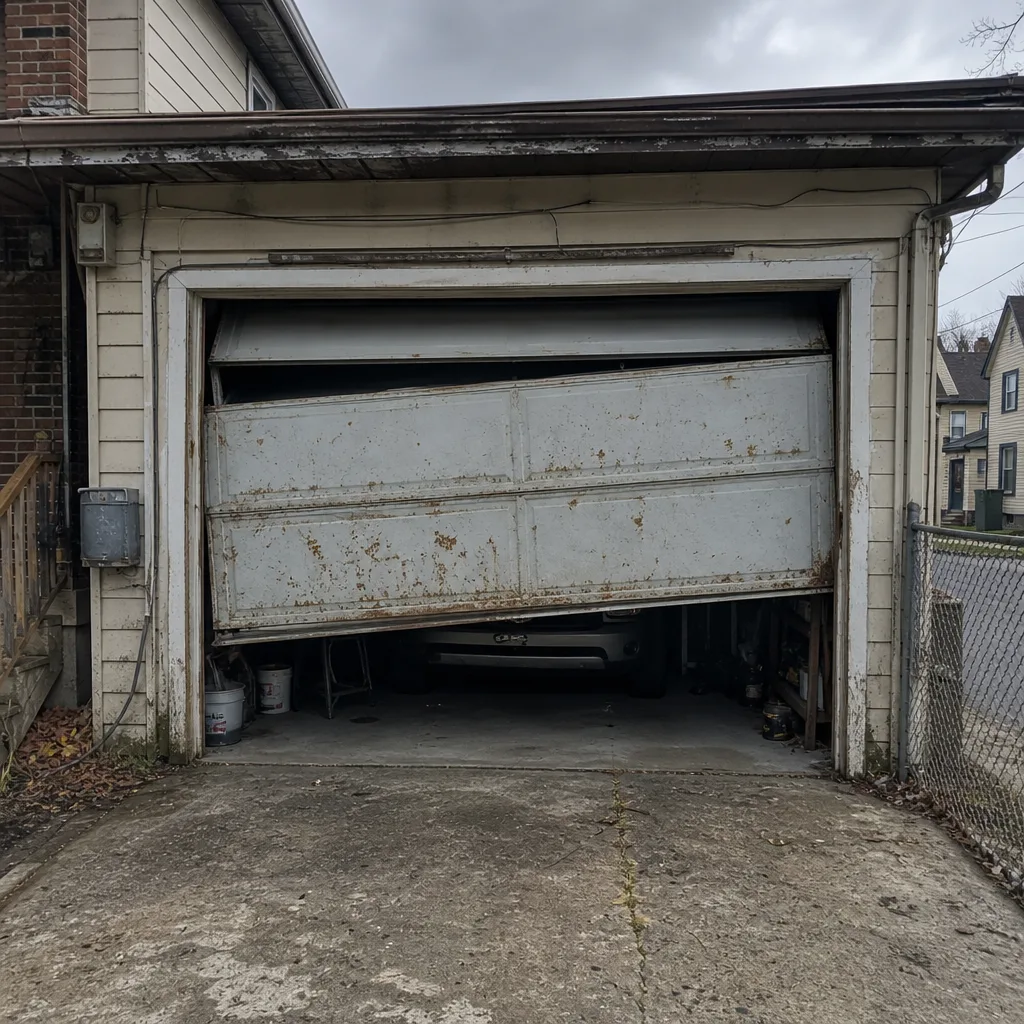 Before
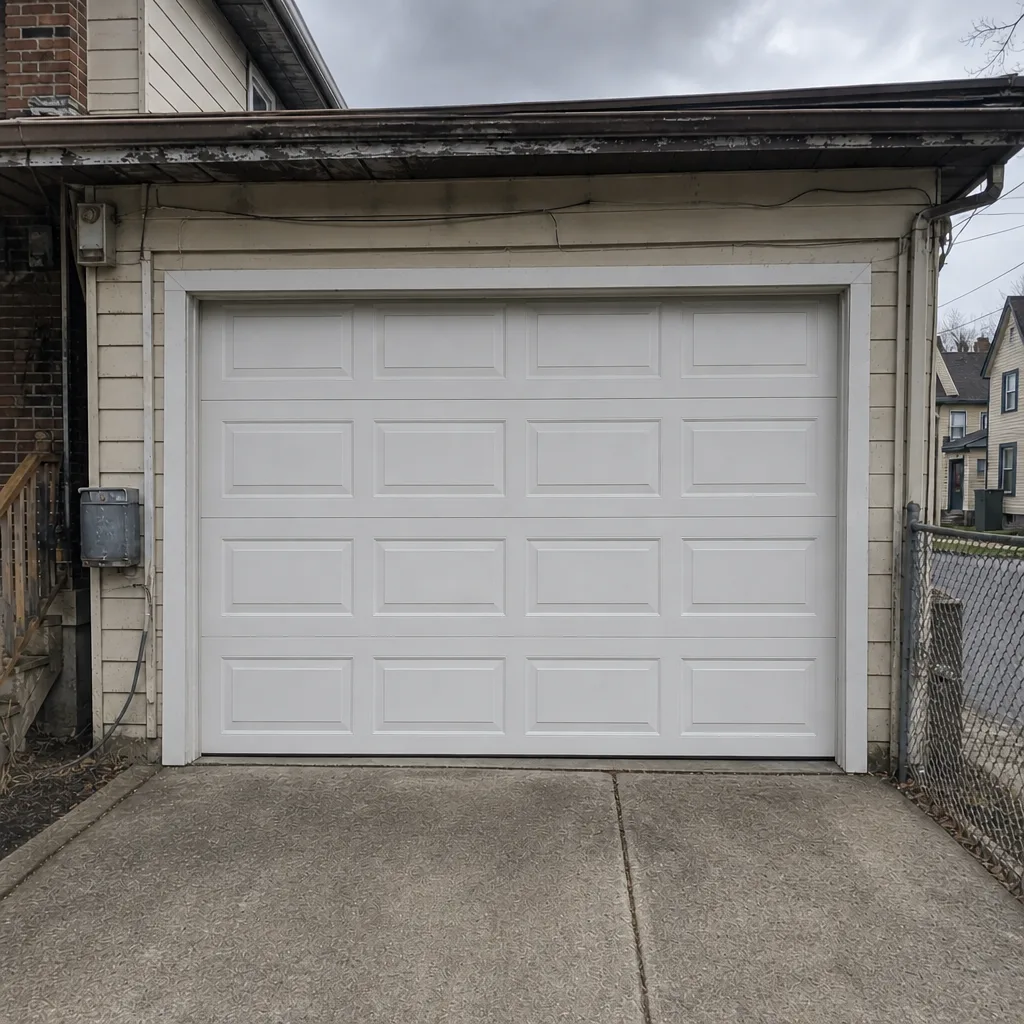 After
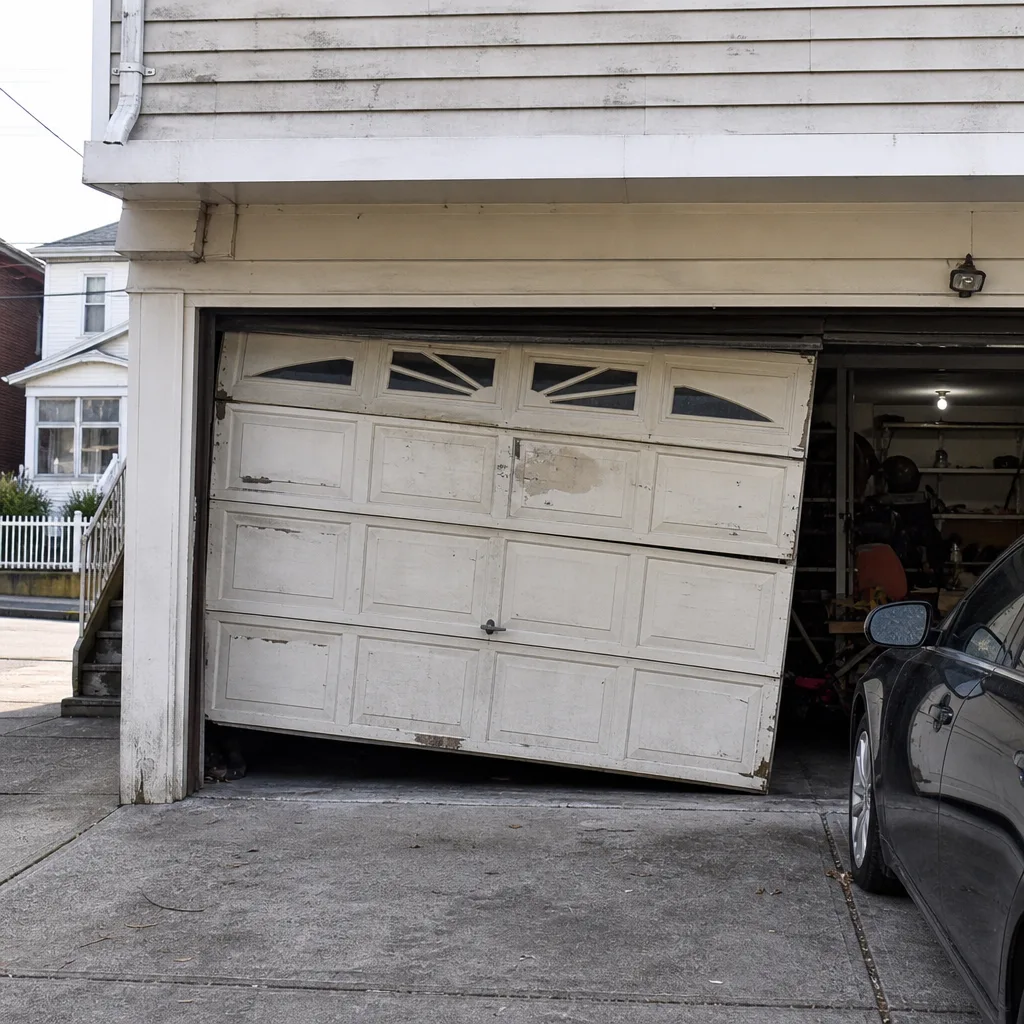 Before
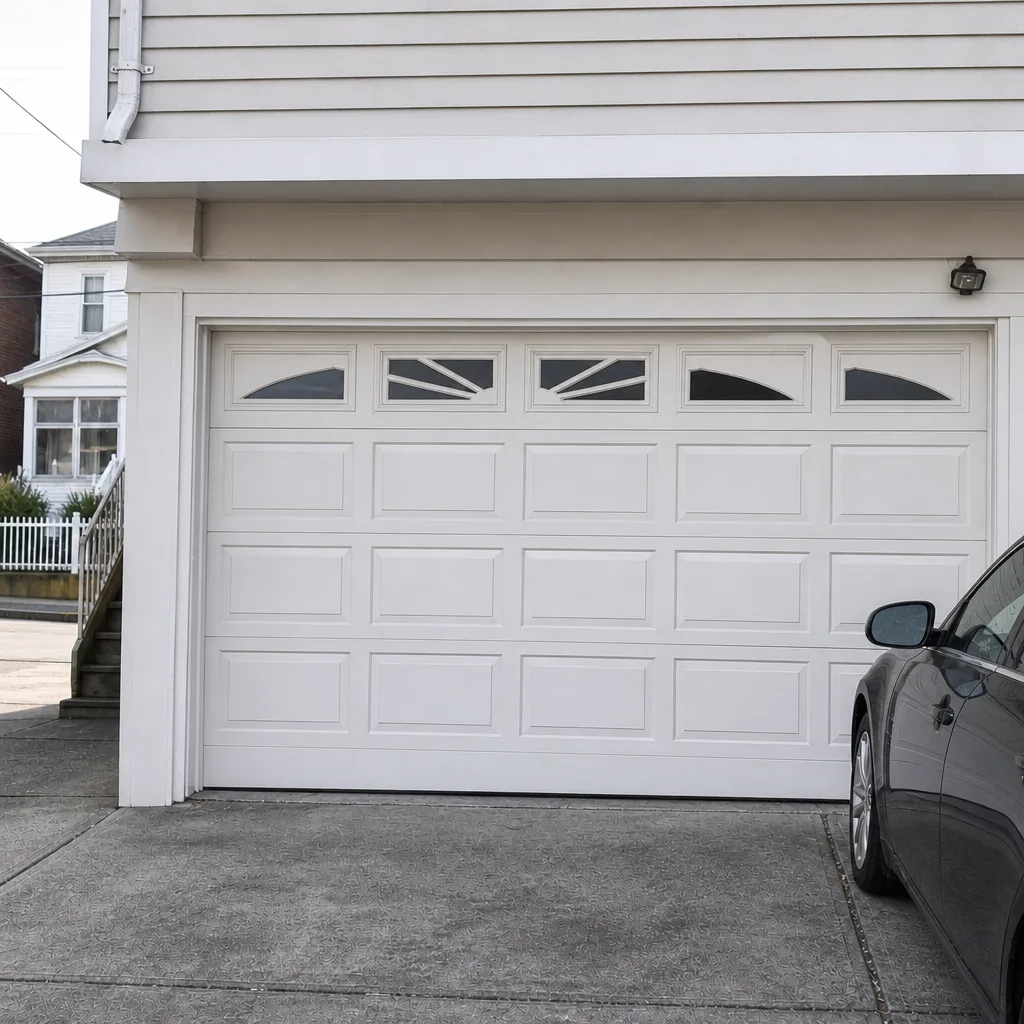 After
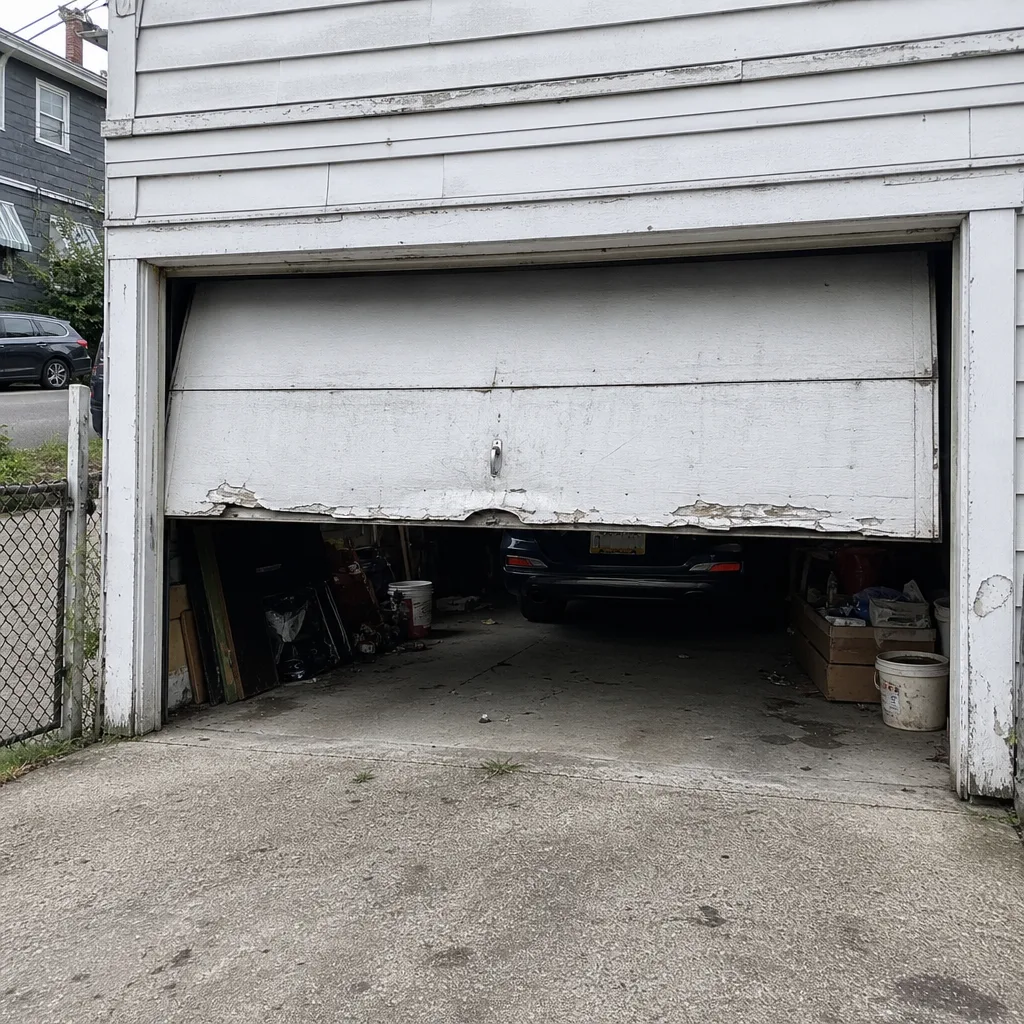 Before
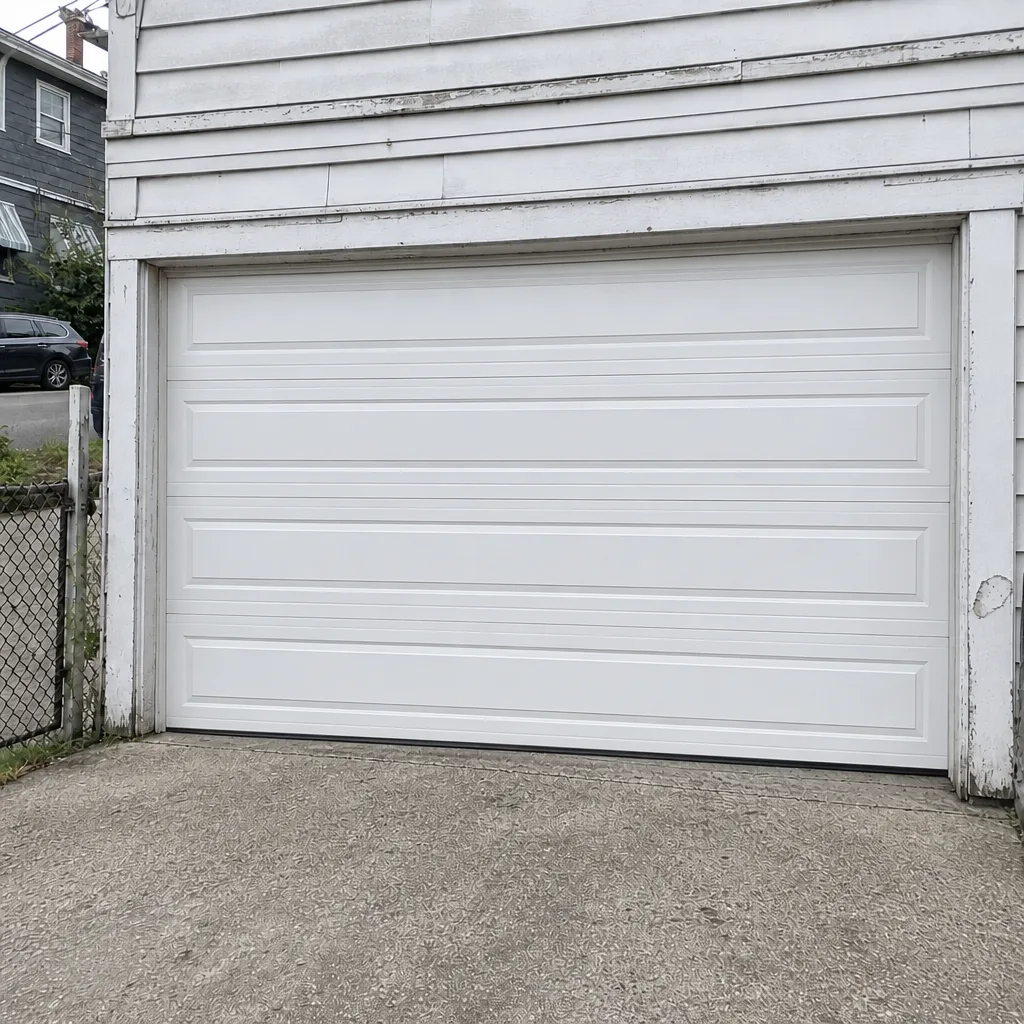 After