
Last updated November 21, 2026
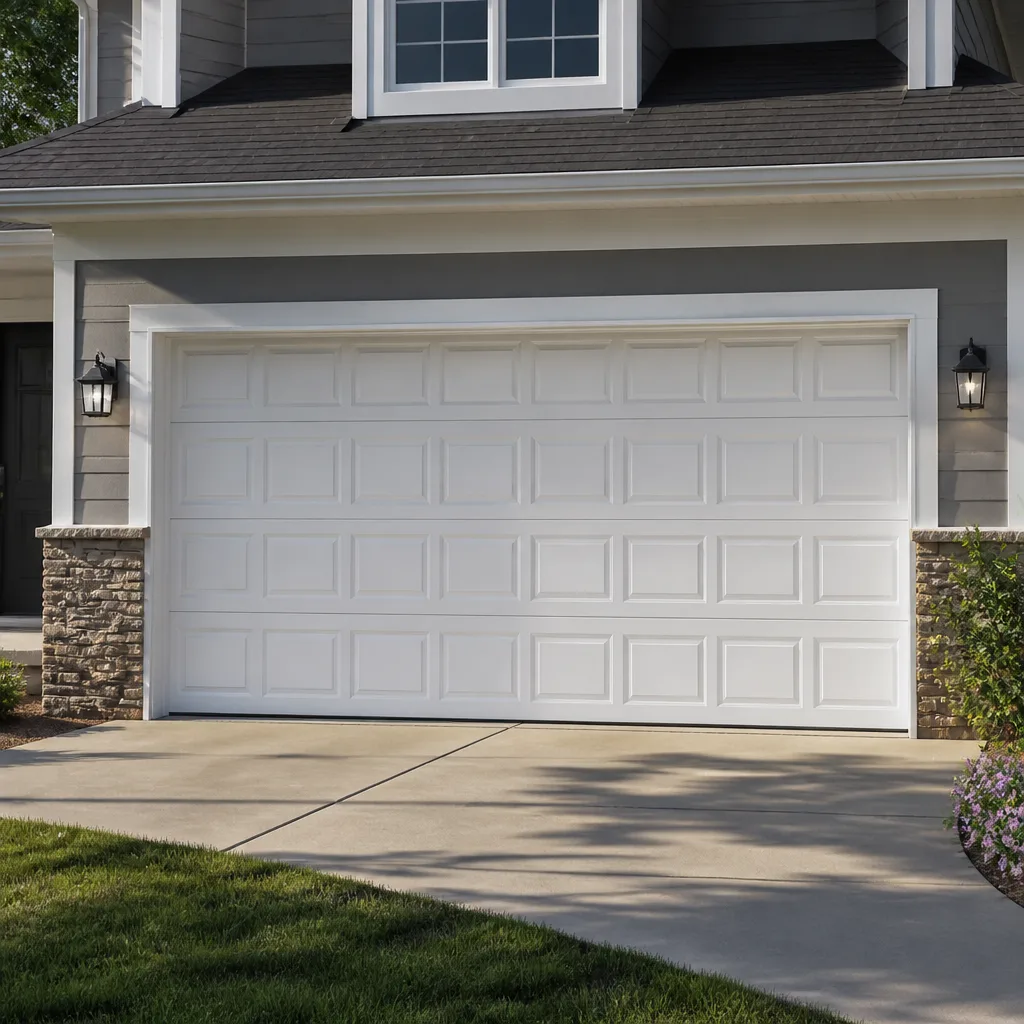 Raised-panel steel
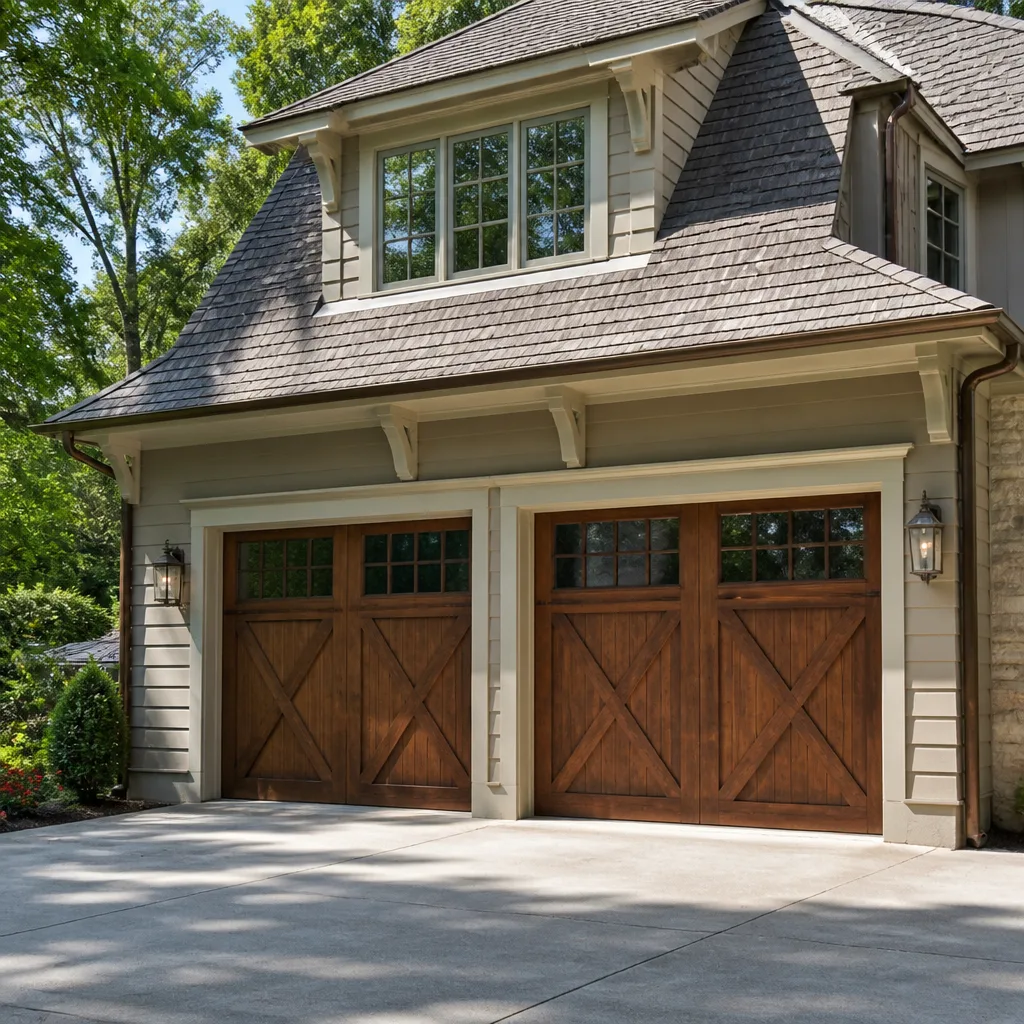 Carriage house
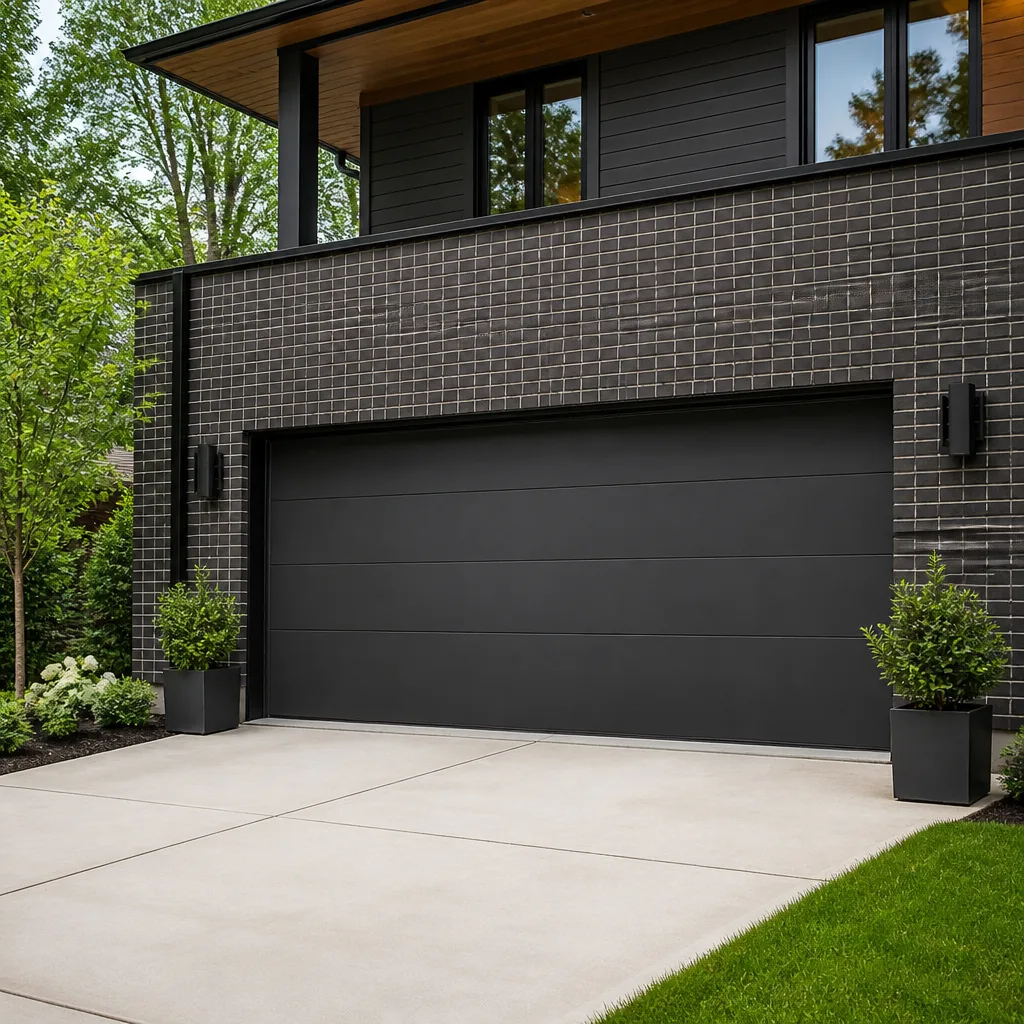 Modern flush
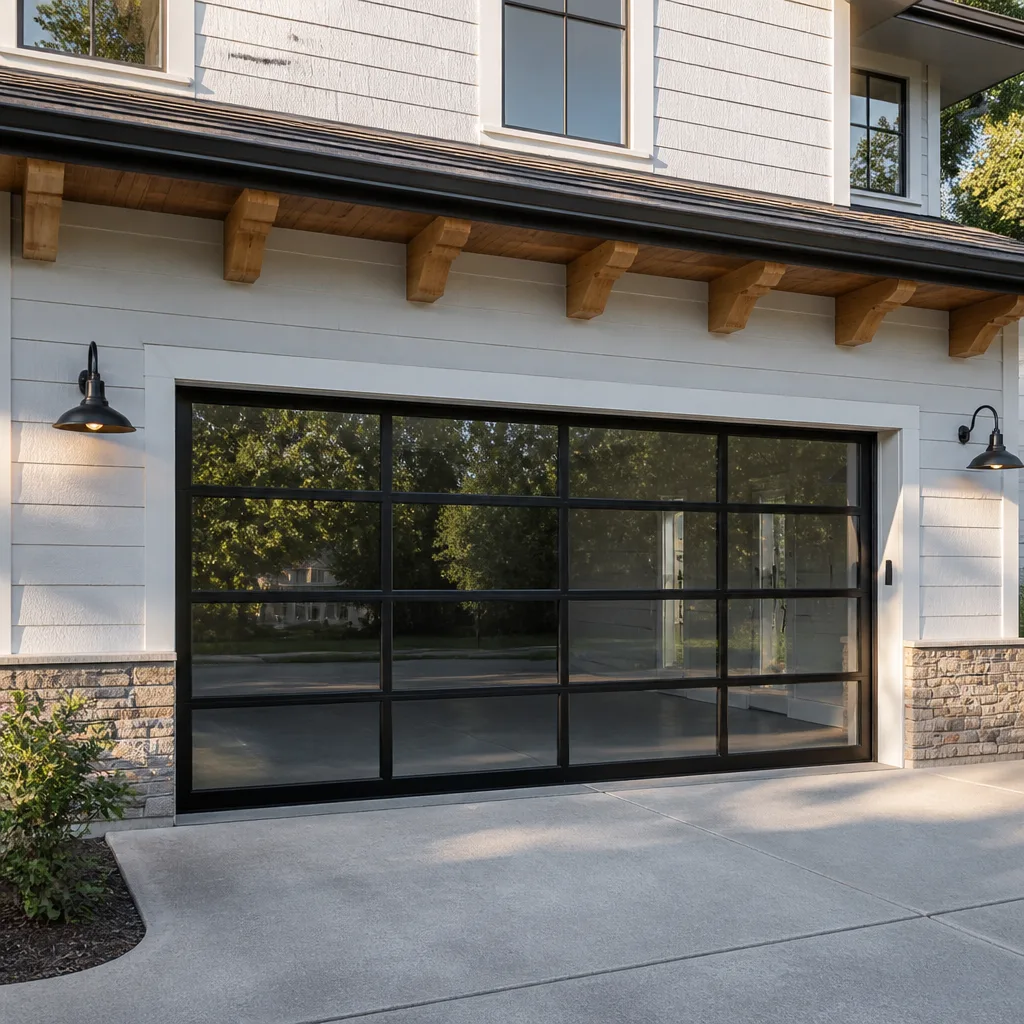 Full-view glass
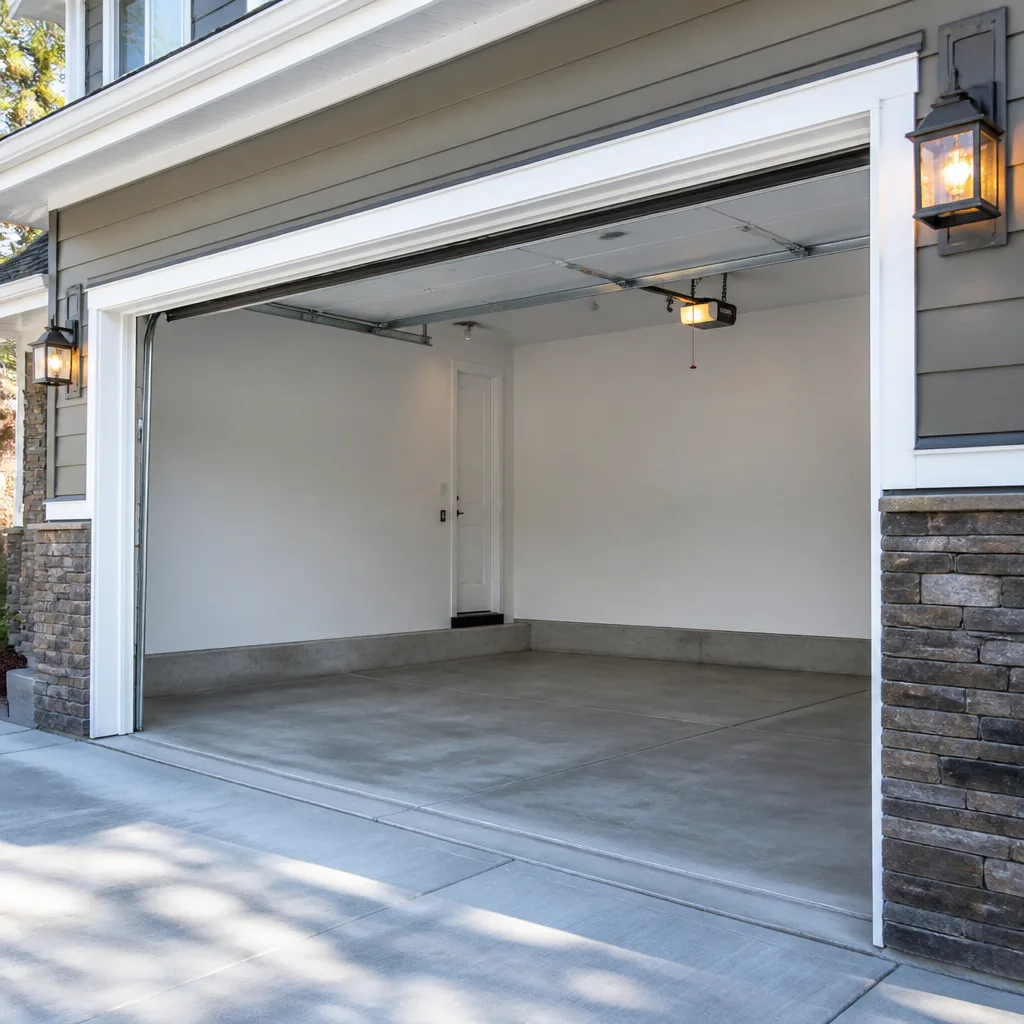 LiftMaster openers
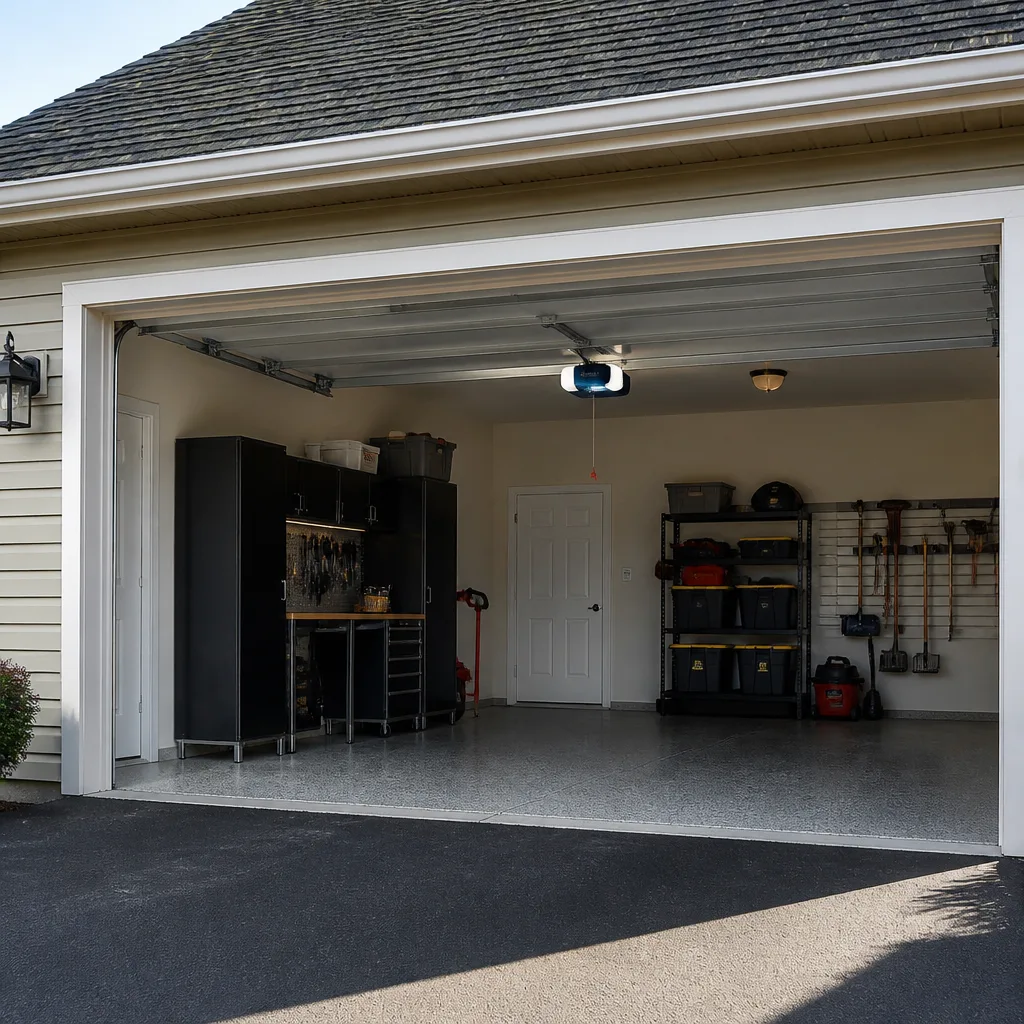 Chamberlain openers
Full 25-point door and opener safety check with every visit - springs, cables, rollers, tracks, and your LiftMaster or Chamberlain opener included
You get a price before we start. It does not change when the pro arrives.
Get your free estimateDIY vs Professional Garage Door: The Bergen-Lafayette Homeowner’s Decision Guide
The garage door is the one machine on your property that combines stored mechanical energy, hundreds of pounds of moving weight, and electrical controls, all in the same assembly. That combination is exactly why the DIY-versus-professional question gets answered so unevenly. Some homeowners dismantle a torsion spring assembly with total confidence and no business doing it. Others pay a service call for a ten-minute sensor adjustment that needed a screwdriver and a level. The problem isn’t skill or courage. It’s that almost nobody draws the line between the two tasks ahead of time.
This guide draws that line for Bergen-Lafayette homeowners. You’ll get a clear task-by-task breakdown of what’s safe to handle yourself, what genuinely requires a technician, and what quietly voids a manufacturer warranty if it’s done wrong. You’ll learn the four common repairs that don’t need a service call at all, the mechanical reason spring work isn’t a DIY job no matter how straightforward the video looks, and the math that tells you when paying for the work is cheaper than the repair you’d have to make twice.
Quick Answer
In a Bergen-Lafayette garage door, the split between DIY and professional comes down to stored energy and warranty terms, not general handiness. Sensor alignment, track clearing, lubrication, remote and keypad pairing, and visual safety checks are genuinely homeowner-appropriate and take minutes with basic tools. Torsion spring work, cable replacement, panel swaps, and opener electronics on LiftMaster, Chamberlain, or Genie units belong with a trained technician. If the door won’t close securely or the spring is broken, call us at (844) 960-3603. We answer 24/7, dispatch fast from 7am to 7pm, and estimates are free.
Styles & brands we work with
- Raised-panel steel
- Carriage house
- Modern flush
- Full-view glass
- LiftMaster openers
- Chamberlain openers
Table of Contents
- The Line That Actually Matters: Stored Energy vs. Alignment
- What a Homeowner Can Do Safely (and Should)
- Why Torsion Spring Work Is Not a DIY Task
- Four Common Repairs You Can Do in Under 10 Minutes
- How DIY Maintenance Affects Your Opener Warranty
- The Cost Math: When Paying Is Cheaper Than DIY
- When the Door Won’t Close Securely
- Common Mistakes to Avoid
- When to Call a Professional
The Line That Actually Matters: Stored Energy vs. Alignment
The real dividing line in garage door work isn’t “hard repair” versus “easy repair.” It’s whether the task involves a component holding stored energy under tension or a component that adjusts geometry. That distinction sorts nearly every job correctly on the first pass.
A torsion spring holds the full counterbalance load of the door while it sits in the open or closed position. That’s energy stored in a wound steel bar, and it stays there until it’s released in a controlled way or fails suddenly. The same applies to a door hanging on its cables, where the cables are under load at all times. Almost everything else on the door – the sensors, the travel limits, the track alignment, the rollers, the opener logic board – is geometry and electronics. It does what it’s told or it doesn’t, but it doesn’t store enough force to hurt anyone.
In our experience, this is where most homeowners get it wrong. They’re cautious about things that align easily and confident about things that carry load. Here’s how we’d group the work:
- Stored-energy tasks: torsion springs, extension springs on older doors, lift cables, bottom brackets, and anything that requires releasing or re-tensioning the counterbalance system.
- Geometry and electronics tasks: photo-eye sensor alignment, track clearing, roller inspection, travel limit adjustment, remote and keypad programming, opener force settings on a working unit.
- Structural tasks: panel replacement, hinge and bracket replacement at the reinforcement points, and full track replacement.
In the older two- and three-family buildings across Bergen-Lafayette, doors are frequently decades old and have been through more than one round of adjustments. If a task on our list falls into the stored-energy group and the door is pre-1990, that’s the strongest signal you shouldn’t touch it. The metal has been fatigued, has been adjusted, and is more likely to let go without warning than a newer system. We’ll come measure and quote – the written estimate sets the price before any work begins.
What a Homeowner Can Do Safely (and Should)
Plenty of garage door maintenance is genuinely yours to handle, and doing it well prevents most of the calls we take. These tasks take minutes, use basic hand tools, and don’t put you near a spring or a cable under load.
- Align the photo-eye sensors. Two small sensors sit just above the floor on either side of the opening. When the door won’t close or reverses for no reason, they’re usually misaligned or dirty. Wipe the lenses, check that both sensors face each other and the indicator lights are steady, and nudge the brackets until they line up. This is the single most common false-alarm service call.
- Clear the tracks of debris. Dirt, dried grease, and grit build up in the track channels, especially in buildings where the garage is open to the elements. A dry cloth and a wire brush along the channel solve most “the door is dragging” complaints.
- Lubricate the moving parts. A light application of a garage door lubricant on rollers, hinges, and the torsion bar (not the track itself, which should stay clean and dry) reduces noise and extends roller life.
- Test the door balance. Disconnect the opener with the release handle and lift the door by hand. A well-balanced door should lift easily and stay halfway open on its own. If it drops, the spring system needs attention and you should call a technician rather than adjust anything.
- Check the safety reverse. Place a roll of paper towels under the door and close it. It should reverse on contact. If it doesn’t, the force setting or the door mechanics need attention, and that’s a professional call.
- Program remotes and keypads. Pairing a new remote, adding a keypad code, or clearing old codes from a LiftMaster or Chamberlain opener is a homeowner-level job that takes a few minutes with the manual and the “learn” button.
In Bergen-Lafayette, where a lot of housing stock has detached or semi-detached garages and a lot of doors face the same prevailing weather off the Hudson, sensors get knocked out of alignment more often than in more protected locations. A quick monthly check of those sensor lights saves a surprising number of service visits. Doing this light maintenance yourself is the right call. It keeps the door running and tells you when something has moved into the professional category.
Why Torsion Spring Work Is Not a DIY Task
Torsion spring work isn’t a skill question. It’s a physics question, and the physics is what makes it a professional job no matter how confident a homeowner is after watching a tutorial.
A torsion spring on a residential door stores the counterbalance force for the entire panel assembly – typically several hundred pounds of door weight, held in a wound steel bar about the thickness of your thumb. To replace or adjust that spring, you have to wind or unwind the bar to a specific number of turns using winding bars. The wrong number of turns, a bar that slips out of the winding cone, or a spring that’s been overstressed during the process can release that stored energy in a fraction of a second. The winding bars become projectiles, and the spring and cable can move with them. There’s no “slow” version of that failure. The energy has to go somewhere and it goes at once.
The risk compounds on older doors. In the pre-war and mid-century housing across Bergen-Lafayette, springs are frequently original to the door, they’ve been adjusted multiple times, and they’ve been through decades of temperature swings. A fatigued spring can fail while you’re simply winding it a fraction of a turn – the exact scenario the tutorial never covers because the tutorial assumes a spring in good condition. The tools, the math, and the condition of the spring all have to be right, and there’s no margin for the third one being wrong.
That’s why we treat spring repair as a dedicated service rather than a side task. Our technicians work on torsion and extension springs as a named core service – matching spring rate to door weight, checking cable condition while they’re in there, and confirming the balance after the new spring is in. We’re not a multi-trade operation where springs are an afterthought. Springs are the job. Call (844) 960-3603. Estimates are free.
Four Common Repairs You Can Do in Under 10 Minutes
There are four tasks that come up often enough that homeowners pay for them when they didn’t need to. Each takes minutes and needs no specialized tools. Doing them yourself is safe and saves a service call.
- Photo-eye sensor misalignment. The most common call we take is a door that reverses or refuses to close for no obvious reason. Nine times out of ten the sensors are out of alignment or the lenses are dirty. Wipe the lenses, check that both brackets are square to the opening, and confirm both indicator lights are steady. Under eight minutes.
- A remote that stopped working. Before calling, replace the battery. If a fresh battery doesn’t revive it, try re-pairing it to the opener using the learn button. Most LiftMaster and Chamberlain openers will re-pair in under two minutes. If the remote still won’t take, the issue is the remote or the opener’s radio, not the door.
- A keypad that’s rejecting its code. Keypads occasionally lose their memory after a power interruption. Re-entering the code per the manufacturer’s instructions usually resolves it. If the keypad takes the code but the door doesn’t move, that’s an opener issue and worth a call.
- A track with a small bend or debris buildup. A shallow bend near the end of the track can be straightened with a padded pair of pliers, and debris in the channel clears with a rag. If a track is bent sharply or the door has come off the track entirely, don’t try to force it back on. That’s structural work.
These four cover a real share of the calls that come into our line. A homeowner who knows them saves a trip and gains a clearer picture of what a genuine repair looks like. The ones that fall outside this list – springs, cables, panels, opener logic boards – are where professional help earns its price. From opener to panel, though, we’d rather you call for the ones that matter and handle the rest yourself. If a task starts to feel like it’s beyond your comfortable reach, stop and call (844) 960-3603. We answer 24/7, with fast dispatch from 7am to 7pm.
How DIY Maintenance Affects Your Opener Warranty
Extended warranties on openers from major manufacturers – LiftMaster, Chamberlain, and Genie in particular – generally cover defects in materials and workmanship. They don’t cover damage caused by improper installation, improper adjustment, or work performed outside the manufacturer’s installation instructions. A DIY repair that goes wrong can fall into that exclusion without any warning. The opener works after the repair, then fails months later, and the warranty claim reveals that the unit was modified outside the instructions.
The good news is that light maintenance is almost always inside the instructions. Lubricating moving parts, cleaning sensors, changing batteries, and programming remotes are all homeowner tasks that the manuals explicitly anticipate. Adjusting travel limits is usually covered too – the manual walks you through it. What’s outside the instructions is the mechanical work a technician typically handles: replacing the opener’s drive gear or logic board, rewiring from the opener to the wall control, and any adjustment to the door’s counterbalance system. Those can void coverage on a newer opener and can invalidate a professional installation’s warranty in the same step.
The bigger warranty risk sits on the door side, not the opener side. Doors from Clopay, Amarr, Wayne Dalton, Craftsman, and Raynor typically carry a warranty on finish, structural components, and hardware, and that warranty depends on correct installation. A panel installed in the wrong order, a hinge placed at the wrong reinforcement point, or a track installed out of plumb can fail early, and the warranty won’t cover the failure. That’s a strong reason brand-specific installation matters. When we install or repair a Clopay door, we’re working from Clopay’s installation requirements and sourcing Clopay-compatible parts, not a universal-fit workaround. If you’re ever unsure whether a task stays inside your warranty, the safest move is to ask before you unscrew anything.
The Cost Math: When Paying Is Cheaper Than DIY
DIY looks cheaper until it fails. The fair comparison isn’t the price of parts against the price of the service call – it’s the price of a correctly finished job against the price of a first attempt, the replacement parts, and the technician visit to clean up the second attempt. Once you run that math, a fair share of DIY attempts don’t pencil out.
Take the tasks in our list. A sensor realignment, a battery swap, a keypad reprogram, and a track clearing are all inside the “do it yourself” column and save real money – because the parts cost pennies and the fix is durable. A DIY spring replacement is in the opposite column: the parts are cheap, the tools are a real cost if you buy them, and the margin for error is high enough that a failed attempt usually produces a technician visit anyway, plus a replacement spring. And a DIY panel replacement that voids the finish warranty on a newer door can cost more than the panel in the first place.
Here’s a rough way to think about it:
- Under 10 minutes, no parts: do it yourself. Sensor alignment, keypad reprogram, battery swap.
- Under 30 minutes, parts under $30: usually worth doing yourself. Lubrication, remote replacement, small track clearing.
- Parts over $100 or work on a spring or cable: call a technician. The margin for error is high and the failure mode is expensive.
- Any task that could void a warranty on a newer door or opener: ask before you start. If the answer is unclear, call.
- Anything that leaves you without a working door for more than an hour: call. Downtime on a detached garage in Bergen-Lafayette is a security issue, and the time cost climbs fast.
Our estimate is free, and the written estimate sets the final price before any work begins. That means you can call, get a quote, and still decide to do it yourself if the task is one of the four we listed. We’d rather you make an informed call than a nervous guess.
When the Door Won’t Close Securely
A door that won’t close is a different category from a door that’s noisy or slow, and it’s the situation where we’d rather you skip the DIY checklist and call. A door that won’t close all the way can be a sensor issue, a track issue, a spring issue, or an opener travel limit issue – and three of those four need a technician.
Run the sequence before you call, though, because it helps us help you and it takes a minute:
- Wipe the sensor lenses and check the indicator lights. If both are steady, the sensors are fine. If one flickers or is dark, realigning it usually solves the problem in under ten minutes.
- Check the track channels for an obvious obstruction. A stone, a piece of debris, or a small child’s toy in the channel is a common culprit. Clear it and test.
- Try the wall control as well as the remote. If the wall control works but the remote doesn’t, the opener’s radio or remote is the issue. If neither works, the opener or the door itself is the problem.
- Check whether the door is off-balance. Disconnect the opener and lift the door by hand. If it won’t stay up when you let go, the spring is the issue and it’s a technician call.
- Look for a bent track or a door off its rollers. Don’t force it back into place. A door that’s come off the track is a professional repair.
If the door still won’t close after that, or you’ve identified a spring or track issue, it’s time to call. For a business, a multi-family building, or a home with a detached garage in Bergen-Lafayette, a door that won’t close is the highest-priority version of the problem. Call (844) 960-3603. We answer 24/7 and dispatch fast from 7am to 7pm. If your call falls outside those hours it’s booked into the next opening, Sunday through Friday.
Common Mistakes to Avoid
- Assuming every door problem is a professional job. Sensor alignment, track clearing, lubrication, remote pairing, and keypad reprogramming are all inside the homeowner’s skill set, and doing them yourself saves a service call. The mistake is paying for a fix that takes five minutes.
- Assuming spring replacement is a weekend project. The tension in a torsion spring is the entire counterbalance load, and a slip during winding can fail in a fraction of a second. The tools and the conditions have to be right, and there’s no margin for a fatigued spring on an older door.
- Adjusting the opener force setting to compensate for a door that’s dragging. Increasing the force hides the underlying problem instead of fixing it, and it can put extra load on the opener motor and the door. If the door is dragging, find out why before you change anything.
- Forcing a door back onto a bent track. If a door has come off its rollers or the track is bent sharply, forcing it back can bind the door, damage panels, or leave the door in an unsafe position. Stop and call.
- Unscrewing anything on a newer opener without checking the warranty. Adjustments the manual doesn’t anticipate can fall outside LiftMaster, Chamberlain, or Genie coverage. Ask before you start, and confirm the task is inside the manual’s instructions.
- Buying universal-fit parts for a brand-name door. Clopay and Amarr panels have specific hardware and hinge patterns, and universal parts rarely fit the same way. The savings usually disappear the second time you do the job.
- Ignoring a slow or noisy door. In Bergen-Lafayette, where a lot of housing stock holds doors that have been through decades of weather swings, a slow or noisy door is an early warning. Catching a worn roller or a loosening hinge before it fails is cheaper than the repair it turns into.
When to Call a Professional
Call a professional when the task involves a spring, a cable, a panel, or an opener failure that leaves the door inoperable. Call when the door won’t close securely, when it’s off its track, or when it’s been through a recent impact and the door has come out of alignment. Call if the door is on a detached garage and you need it secured today. Call if the fix is inside the professional category and you’re not sure the task stays inside your warranty. And call if you’re simply unsure – the estimate is free, and a written quote before the work begins is cheaper than a first attempt that has to be undone.
For a spring replacement, a panel replacement, or a full new door, our team at Garage Door Repair Bergen-Lafayette handles the whole spread from opener to panel, on the brands we’re factory-familiar with. For more on the individual services, our Garage Door Repair Bergen-Lafayette page covers the full range, and our garage door repair page covers the most common fixes. For a new system, see our garage door installation work. For an opener that’s acting up, garage door opener repair covers the diagnosis and repair.
Garage Door Repair Bergen-Lafayette offers free estimates in Bergen-Lafayette. Call (844) 960-3603. We answer 24/7, and fast dispatch runs from 7am to 7pm, Sunday through Friday.
See the difference
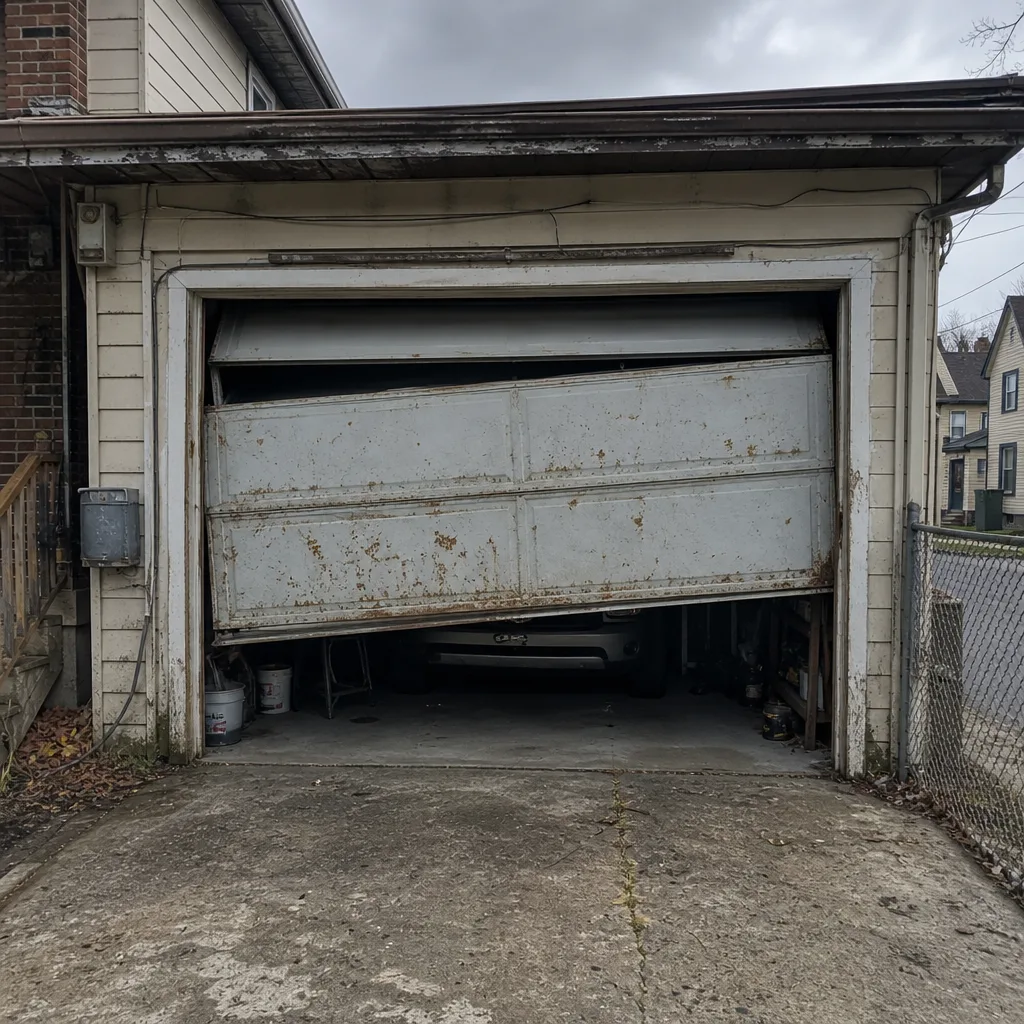 Before
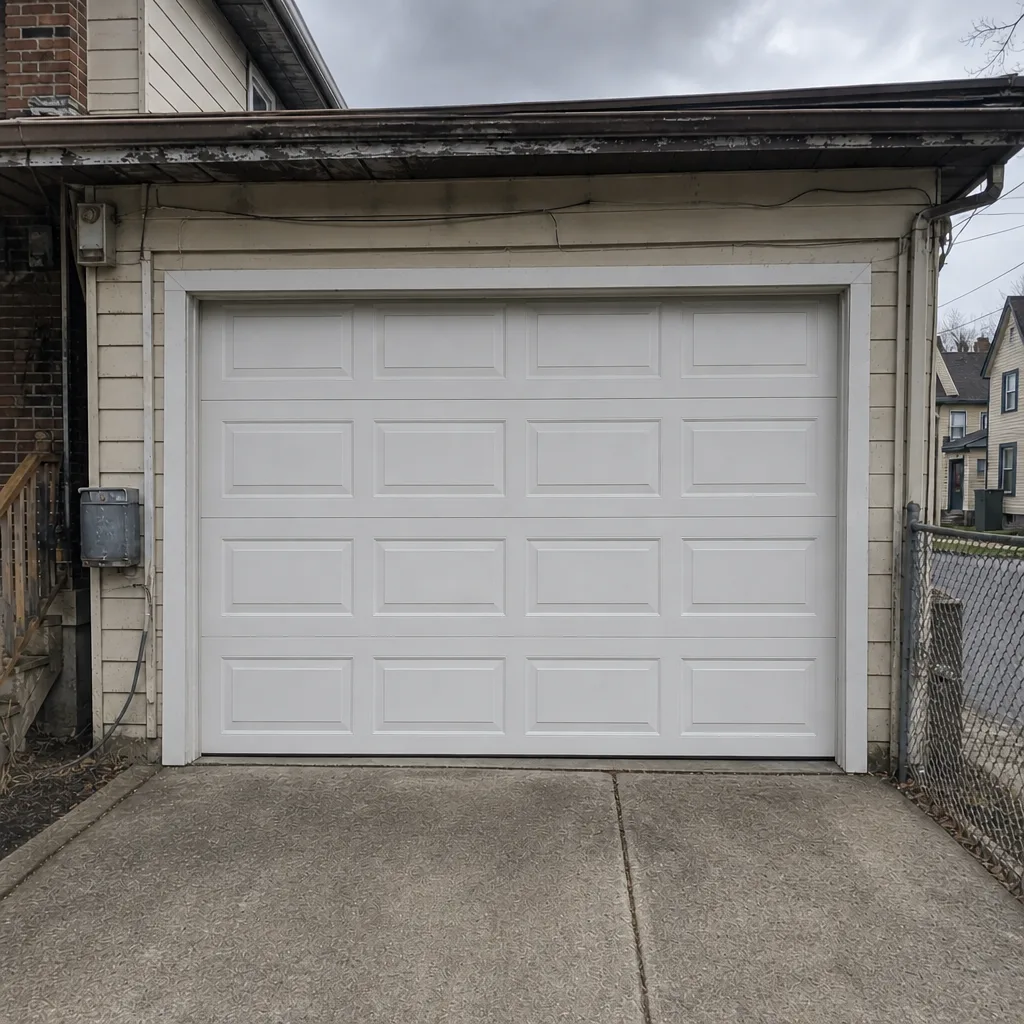 After
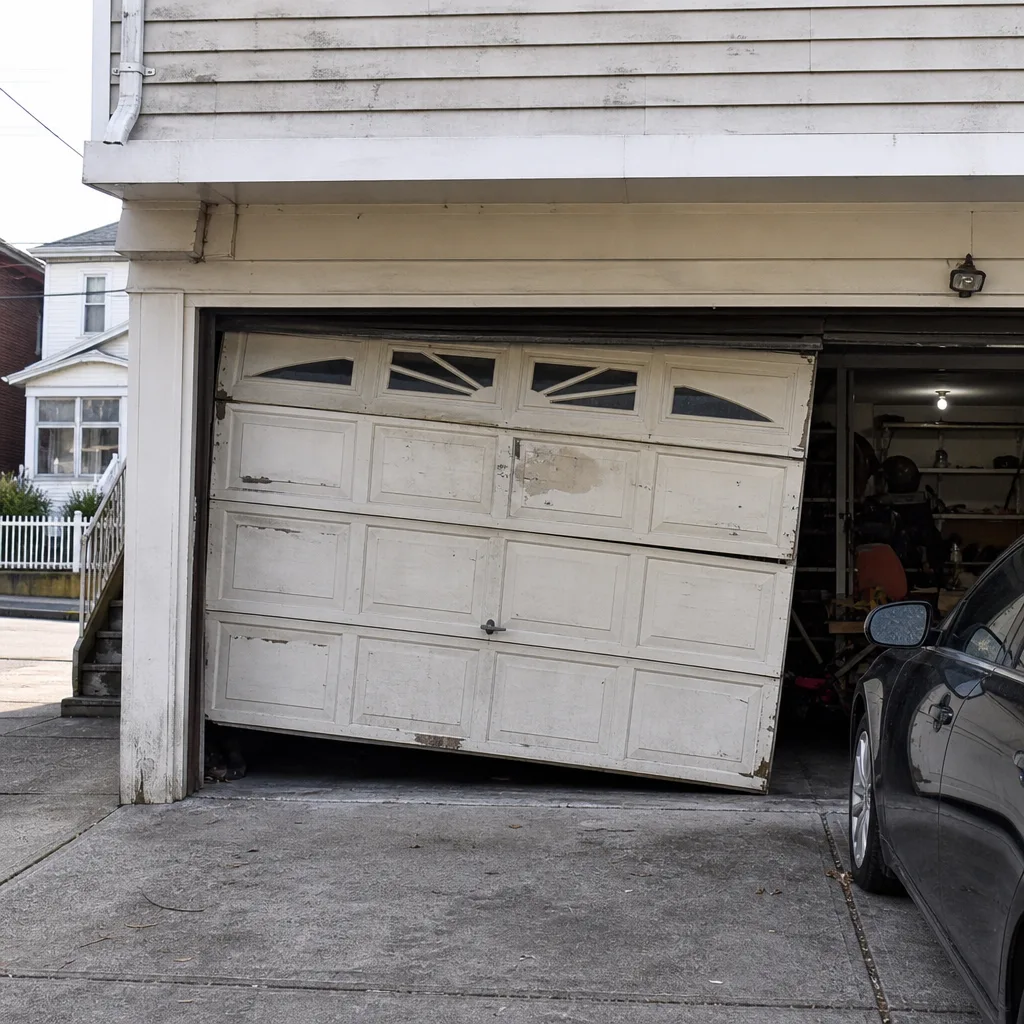 Before
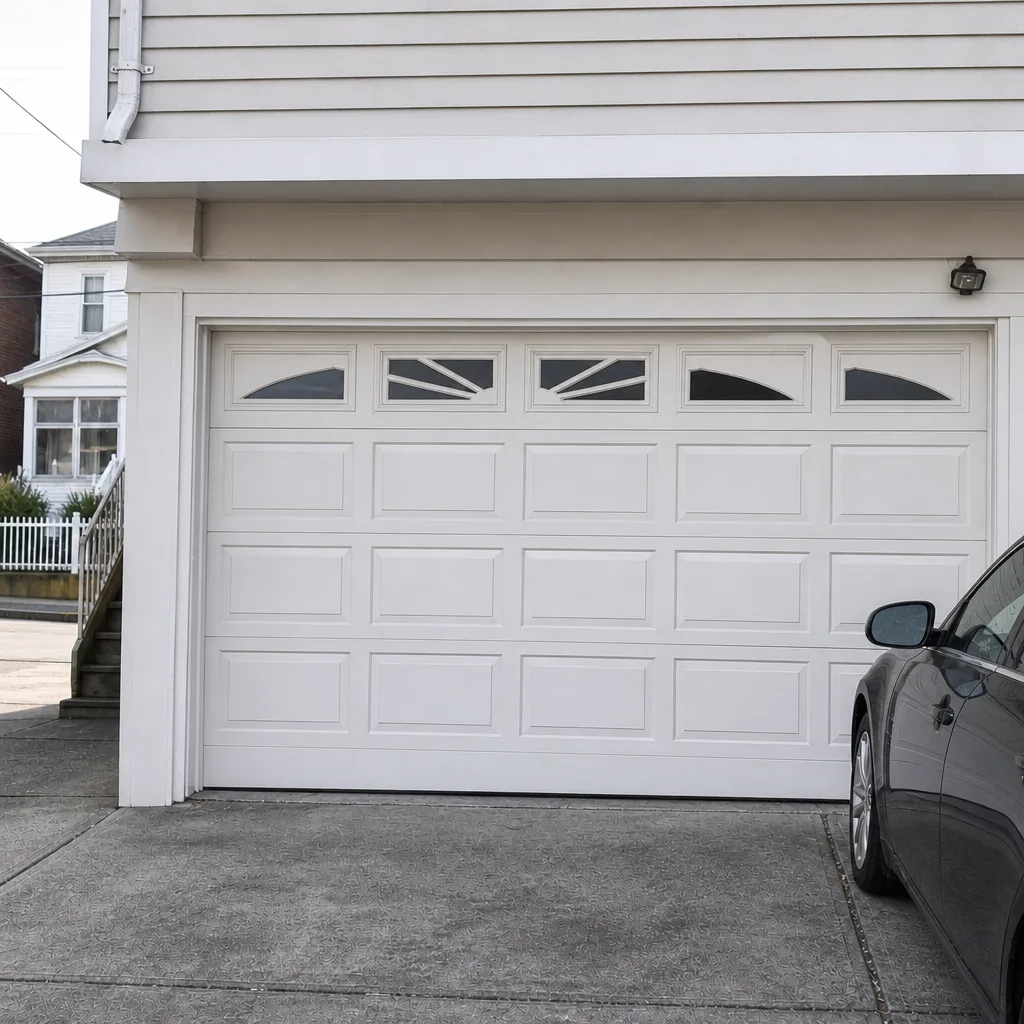 After
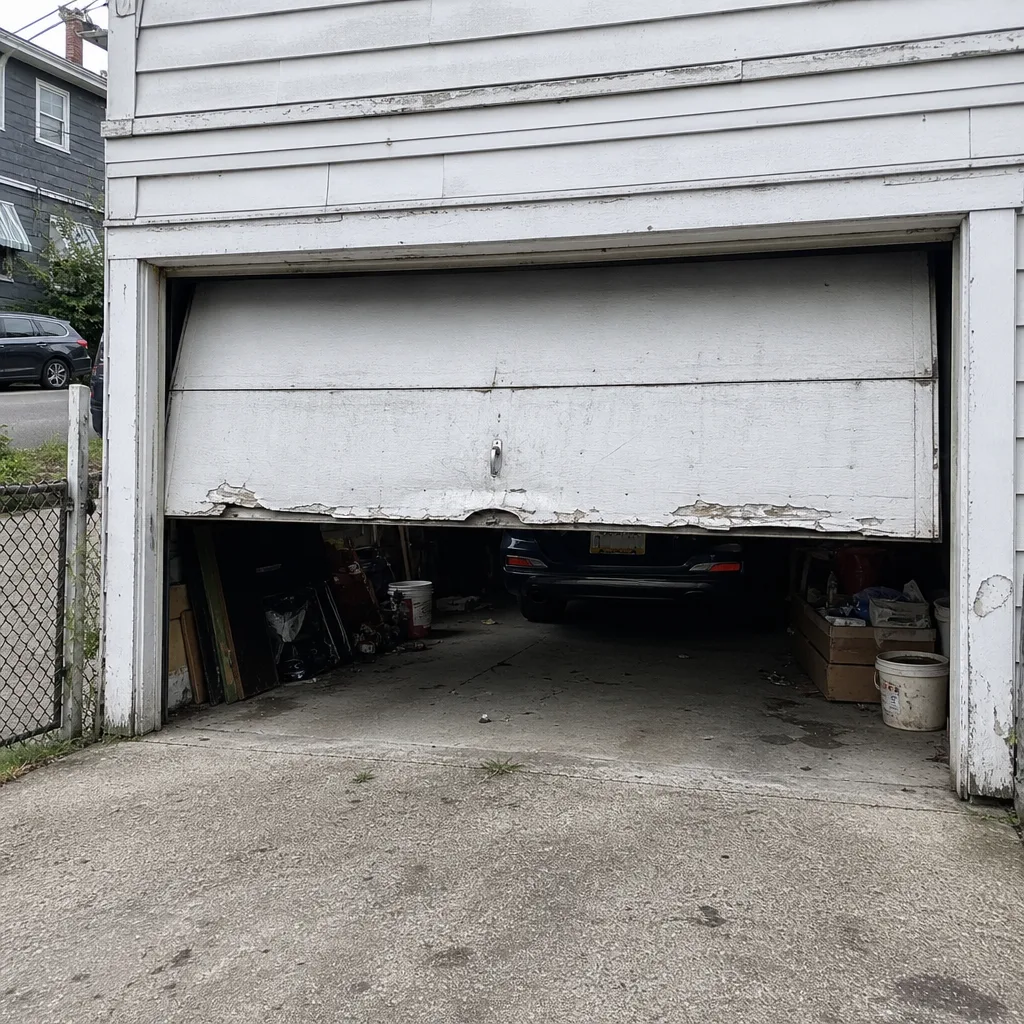 Before
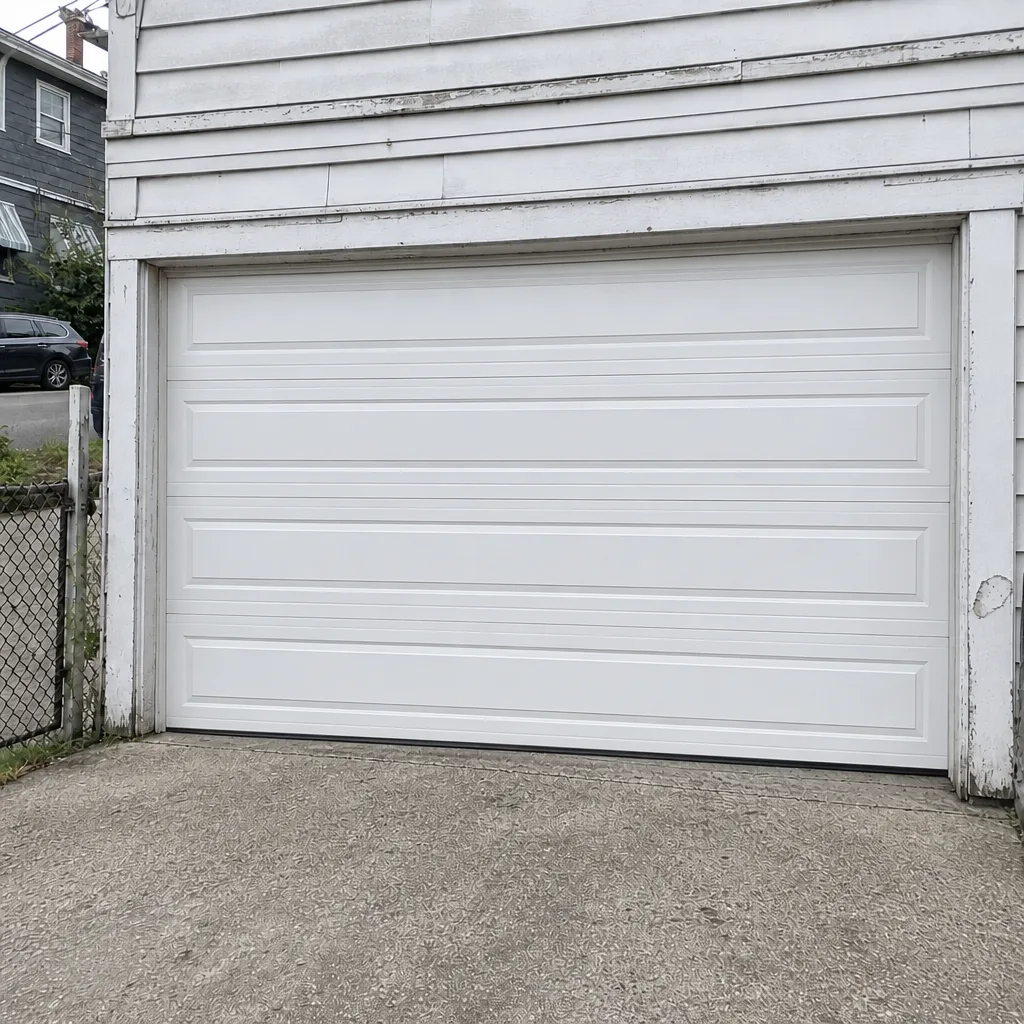 After
Frequently Asked Questions
No. Spring replacement involves releasing stored energy that equals the entire counterbalance load of the door, and the failure mode when something slips is instant. Even with winding tools and a tutorial, the wrong number of turns or a fatigued spring on an older door can let go with no warning. Spring work should be done by a technician who matches the spring rate to the door weight and checks the cables in the same visit. Call (844) 960-3603 for an estimate – estimates are free.
Ask whether the task involves a spring, a cable, a panel, or the track, or whether it’s only adjusting geometry and electronics. Sensors, lubrication, keypad reprogramming, and remote pairing are homeowner-appropriate. Springs, cables, panels, and opener electronics belong with a technician. If the door won’t close securely or has come off its track, treat it as a professional call even if the cause looks simple.
Only if the adjustment falls outside the manufacturer’s installation instructions. Lubrication, sensor cleaning, and travel limit adjustment are typically inside the manual. Replacing the opener’s drive gear, rewiring the wall control, and adjusting the door’s counterbalance system are outside the instructions and can fall outside the warranty. If you’re unsure, ask before you start.
A door that closes and reverses immediately is almost always a photo-eye sensor issue – misalignment, a dirty lens, or an object in the sensor’s path. Wipe the lenses and check that both brackets face each other with steady indicator lights. If the sensors check out and the door still reverses, the opener’s force or limit settings need attention, and that’s a professional adjustment. Call (844) 960-3603 for an exact quote.
The price is set per job by the written estimate, and it’s quoted and agreed before any work begins. A sensor realignment and a full spring replacement are in very different parts of the range, which is why we don’t quote a flat number over the phone. The estimate is free and the written figure is the price. Call (844) 960-3603 for an exact quote.
Yes, for repair and emergency calls. We answer 24/7 and dispatch fast from 7am to 7pm, Sunday through Friday. A call outside those hours is booked into the next opening. Installation and new-door work is measured, ordered, and scheduled, so that’s a free measure and a written price rather than a same-day job.
The local professionals we connect you with are licensed and insured as their state requires. Our technicians have up to 12 years of experience, and we work specifically on garage doors rather than as a multi-trade operation. Call (844) 960-3603 if you want to talk through your door before deciding whether it’s a DIY job or a service call.
The Bottom Line
The DIY-versus-professional call on a garage door isn’t about how handy you are. It’s about which components hold stored energy and which just need adjusting. Sensors, lubrication, track clearing, and remote or keypad programming are yours to handle, and doing them saves a service call. Springs, cables, panels, and opener electronics belong with a technician, and the warranty terms on LiftMaster, Chamberlain, Genie, Clopay, and the other brands we work on reward getting those right the first time. When in doubt, call (844) 960-3603. Estimates are free.
Written by the team at Garage Door Repair Bergen-Lafayette.