
Last updated November 21, 2026
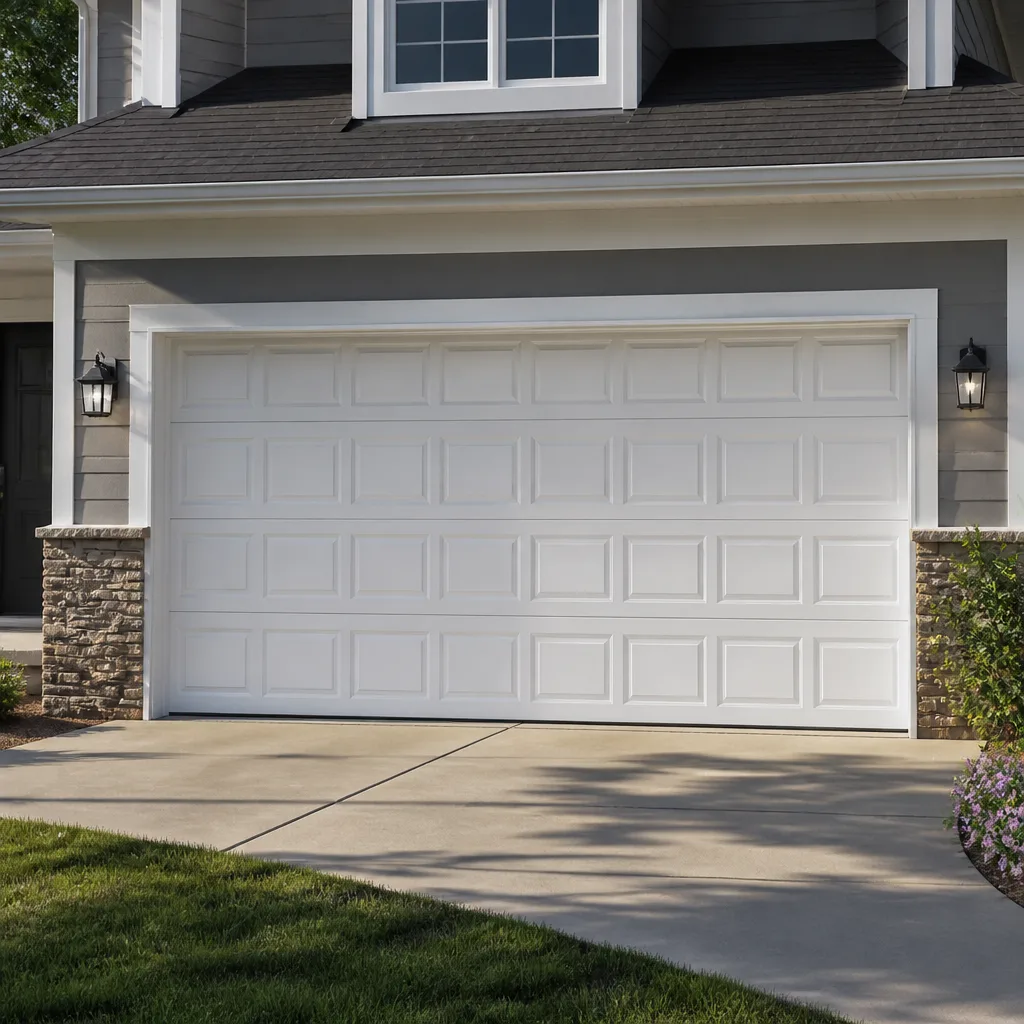 Raised-panel steel
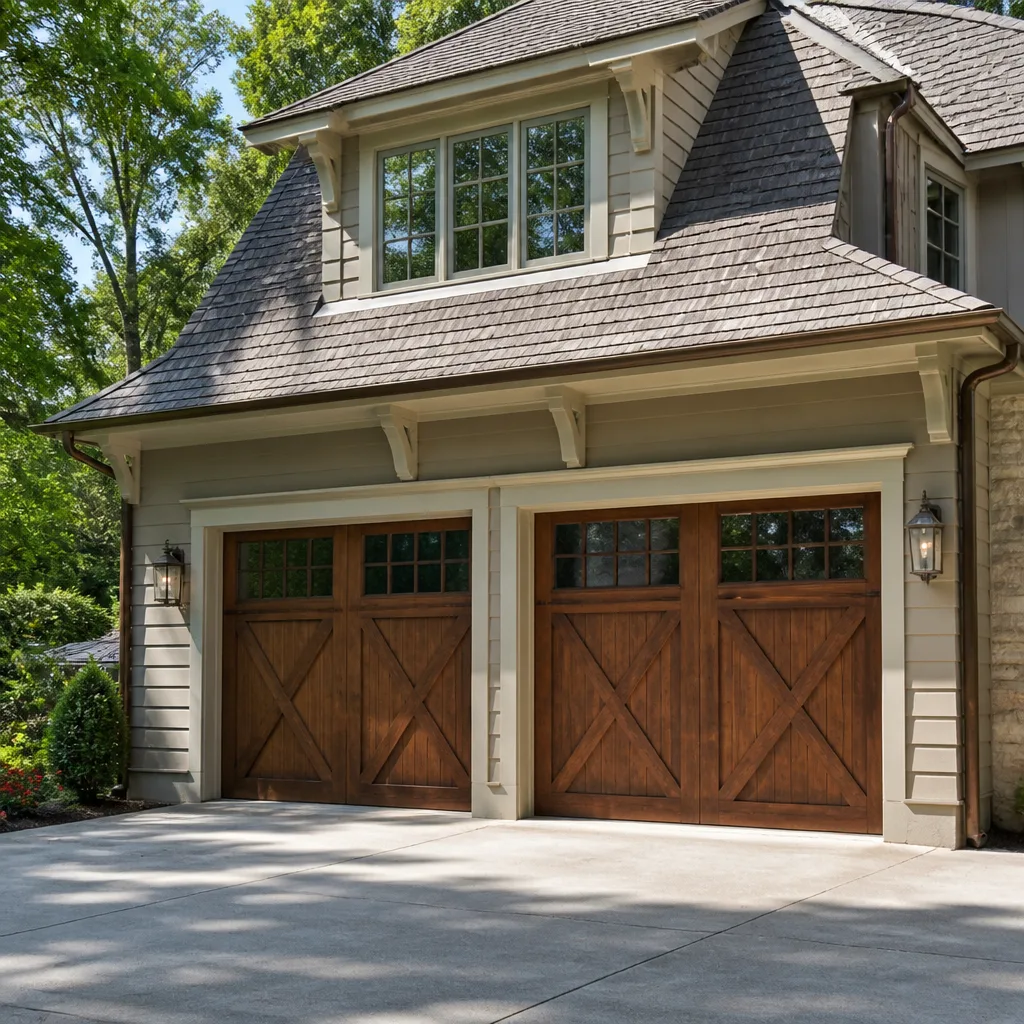 Carriage house
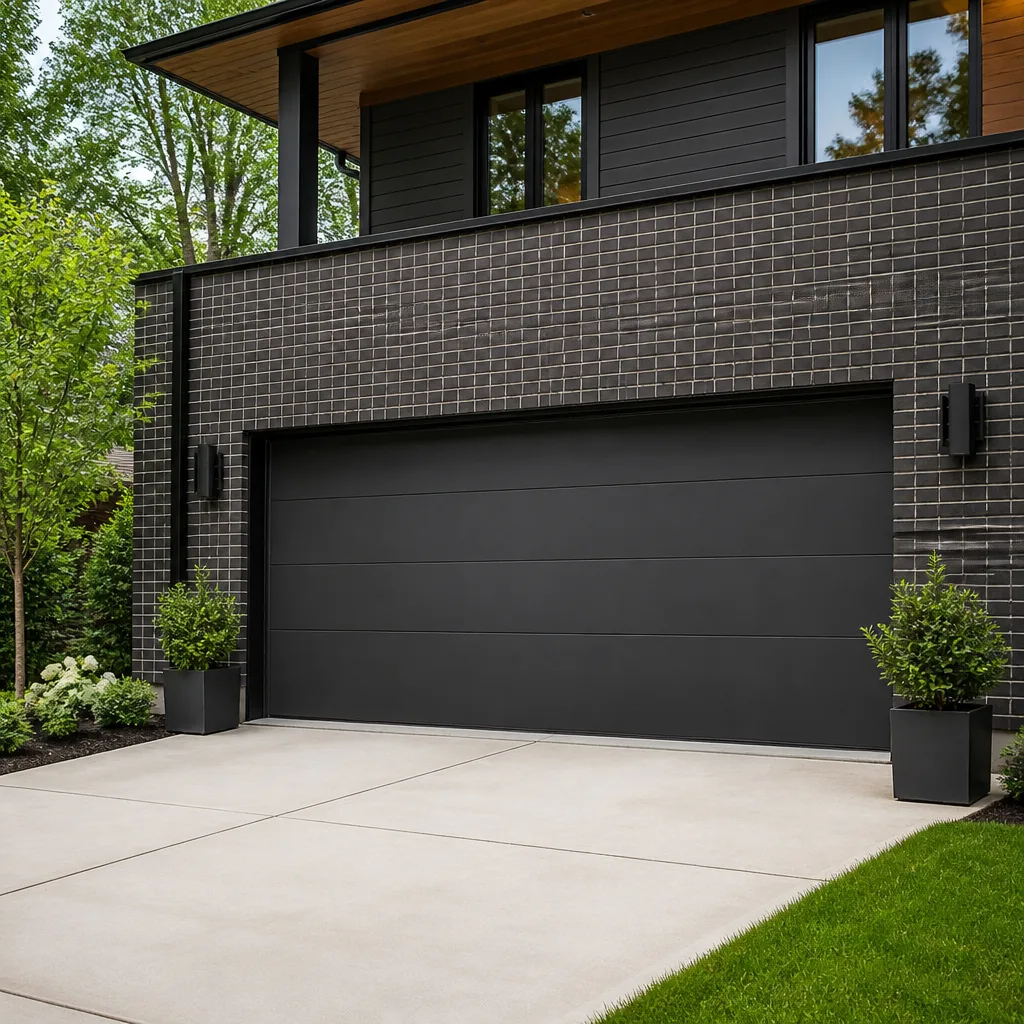 Modern flush
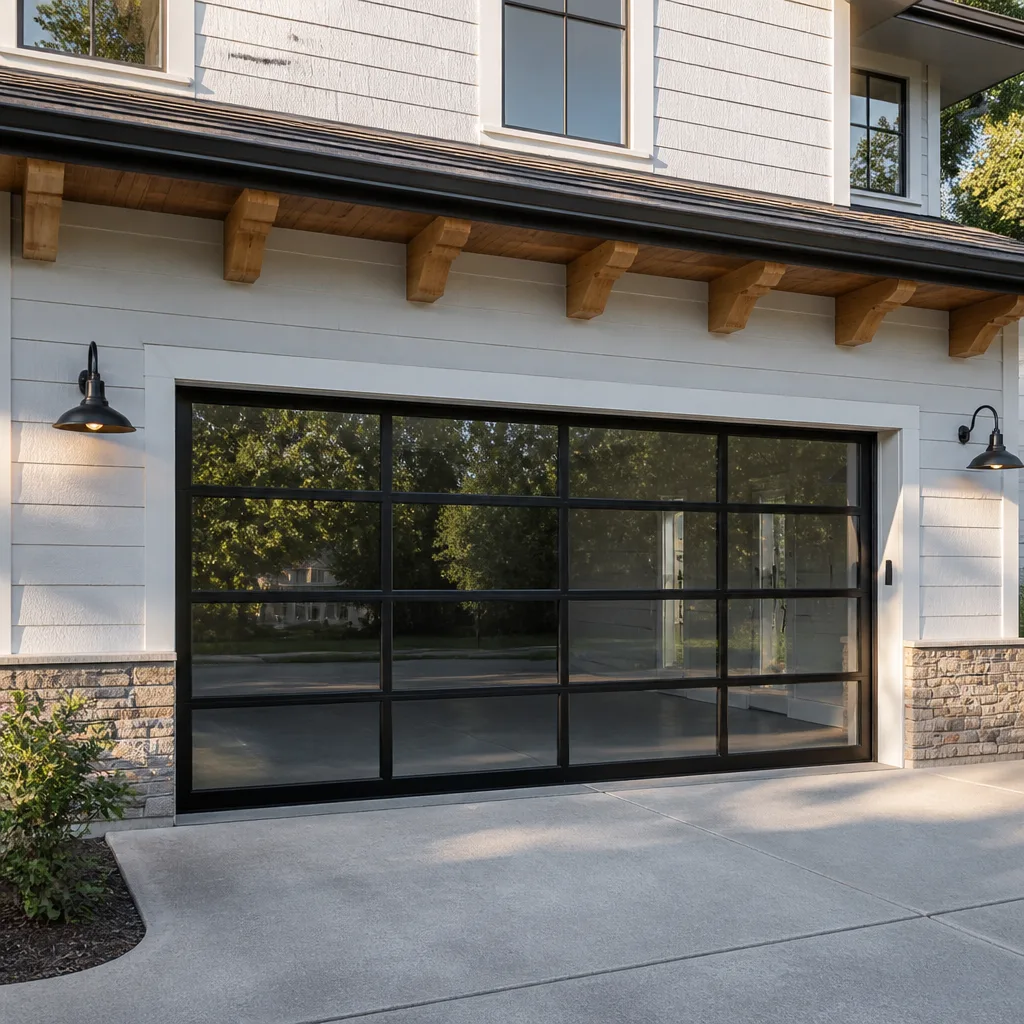 Full-view glass
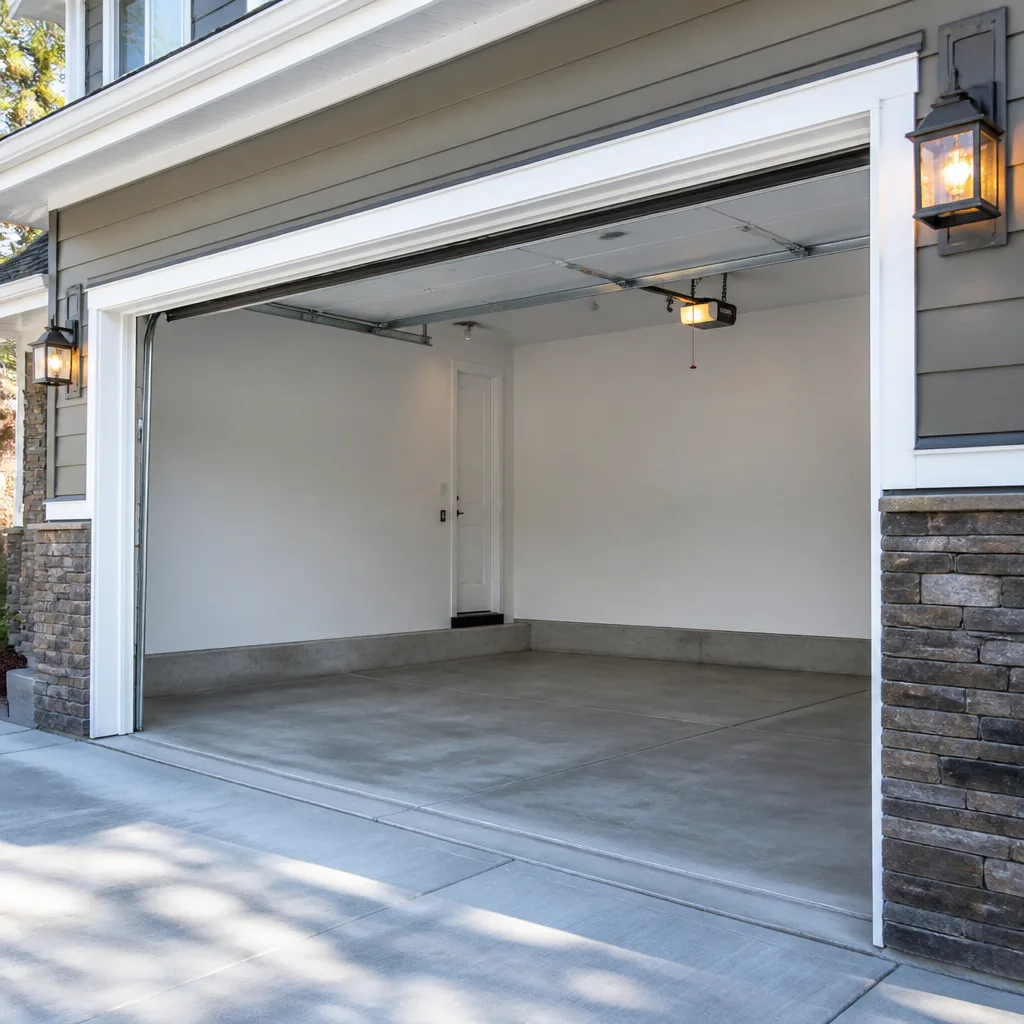 LiftMaster openers
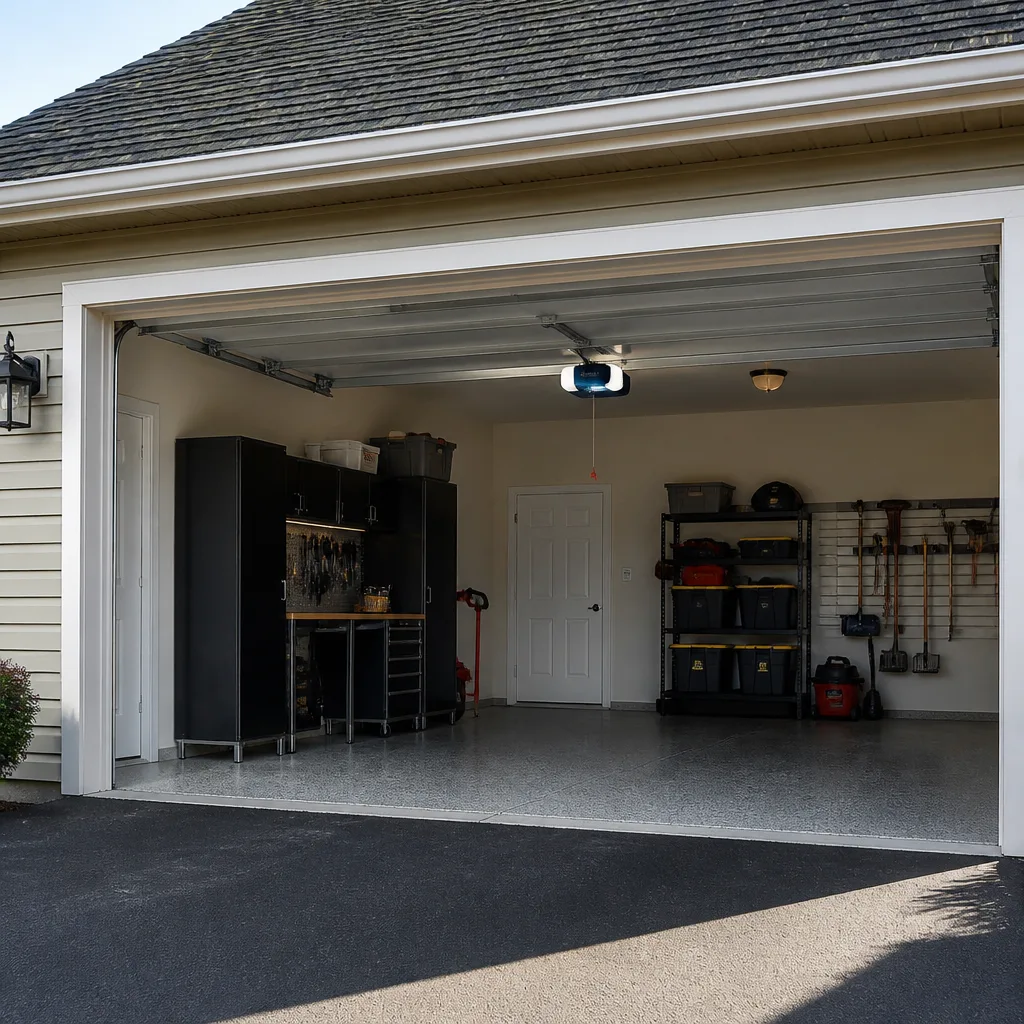 Chamberlain openers
Full 25-point door and opener safety check with every visit - springs, cables, rollers, tracks, and your LiftMaster or Chamberlain opener included
You get a price before we start. It does not change when the pro arrives.
Get your free estimateHow to Hire a Garage Door Contractor in Bergen-Lafayette: A Step-by-Step Guide
Here’s the counterintuitive part: the contractor who does beautiful work on a wide suburban driveway in Paramus can be the wrong call for a Bergen-Lafayette row house. The door is the same. The job site isn’t. Narrow access lanes, shared driveways, garages tucked under a second floor, and construction that predates the automatic opener by decades all change how a job has to be run. That’s the gap this guide closes. We’ll walk through how to vet a contractor for urban job-site work, which brands and systems deserve cross-brand familiarity, the five questions to ask before anyone touches your door, how to read a quote line by line, the red flags specific to same-day calls, and what a real warranty looks like. Work through these in order once, and you’ll be able to hire well in Bergen-Lafayette for the next twenty years.
Quick Answer
To hire a garage door contractor in Bergen-Lafayette, verify three things before you book: that they work on your brand and system (mixed and legacy setups are the norm here), that they’ve handled urban job sites with tight access and shared driveways, and that they’ll hand you a written, itemized price before any work starts. Call at least two specialists, ask the five vetting questions below, and read the quote line by line so nothing gets added after the fact. A dedicated garage door specialist, not a general handyman, is the baseline.
Styles & brands we work with
- Raised-panel steel
- Carriage house
- Modern flush
- Full-view glass
- LiftMaster openers
- Chamberlain openers
Table of Contents
- Why Bergen-Lafayette Job Sites Are Different
- Why Cross-Brand Knowledge Beats a Single-Brand Dealer
- The Five Questions to Ask Before Anyone Touches Your Door
- How to Read a Quote Line by Line
- Red Flags on Same-Day and Emergency Calls
- What a Legitimate Warranty Looks Like
- Why Springs Deserve a Specialist
- Repair or Replace? How to Decide
Why Bergen-Lafayette Job Sites Are Different
A garage door job in Bergen-Lafayette starts before the technician opens the van. Access comes first. Many driveways here are narrow, shared between neighbors, or reach the garage through a tight alley, and a full-size work setup can’t always pull right up to the opening. That shapes everything that follows: how the door is supported, how panels are carried, and how much care is needed so a ladder doesn’t catch a neighbor’s car or a siding panel doesn’t get dinged on the way through.
Then there’s the construction itself. This part of Jersey City has a deep stock of row houses and older multi-unit buildings, and garages were often an afterthought or a later addition. That means you’ll see doors that go decades back, low-clearance ceilings that limit what opener will fit, header beams that are shallower than a modern install expects, and original hardware that’s been patched together over the years. None of that is a reason to panic. It is a reason to hire someone who has seen it before and plans for it. A contractor who only works new suburban builds will spend the first hour discovering these things on your time.
Weather plays a smaller but real role. North Jersey summers are humid and its winters swing between freeze and thaw, and both push on a garage door system. Wood panels take on moisture and swell. Steel expands and contracts at the seams. Tracks shift slightly when the ground moves with a frost heave, and a door that tracked fine in October can bind in February. A contractor familiar with this local cycle will check the balance of the door and the alignment of the tracks, not just the part that broke. When you’re ready to book that first look, the place to start is garage door repair Bergen-Lafayette, and bring the notes you collect here with you.
Why Cross-Brand Knowledge Beats a Single-Brand Dealer
Most garages in Bergen-Lafayette don’t run one tidy brand from top to bottom. A door from Clopay, an opener from Chamberlain, and a set of hardware that’s a generation older than either is completely normal. Sometimes the door was replaced in one decade and the opener in another, and the springs were swapped by whoever was available when they failed. A single-brand dealer sells and services one family of products, which is fine if you’re buying that brand. It’s less useful when the problem sits between systems.
What you want is a contractor who is genuinely familiar with the brands that are actually installed on your street. Ask directly which door and opener lines they know, and listen for specifics. A real answer names brands and describes how they differ, rather than saying “we handle all makes and models.” Cross-brand familiarity shows up in two ways that matter:
- Correct part sourcing. A Clopay panel or an Amarr section has to match the door it’s going onto. Getting that right means knowing the brand, the model, and the profile, not fitting a universal part and hoping.
- Warranty compliance. Using the wrong opener, spring, or hardware on a branded door can void the manufacturer’s warranty on that product. Doing the job with the right parts preserves it.
The eight lines that come up most on Bergen-Lafayette doors are LiftMaster, Chamberlain, Genie, Clopay, Amarr, Wayne Dalton, Craftsman, and Raynor. If your door or opener is one of these, ask whether the contractor works on it routinely. Mixed and legacy setups are exactly where a generalist gets exposed. A dedicated garage door specialist will tell you up front what they know and what they don’t, and if the answer is specific, that’s a good sign.
The Five Questions to Ask Before Anyone Touches Your Door
Ask these on the phone or in the first conversation. The answers tell you more than any website will. Number five is the one most homeowners never think to raise, and in Bergen-Lafayette it’s often the most important.
- “What brand and model is my door and opener, and do you work on it?” A specialist will ask you to read the label or send a photo, then confirm specifically. A vague “we do everything” is not an answer.
- “Will you give me a written, itemized estimate before any work starts?” The price is quoted and agreed before the first bolt turns. If the answer is “we’ll see when we get there,” keep calling.
- “Are you licensed and insured as the state requires, and can you confirm it?” The pro doing the work should be able to. Ask for it in writing if it isn’t already on the paperwork.
- “What’s your warranty on parts and on labor, in writing?” Separate coverage for the part and the work matters, because they fail for different reasons. Get it as a number of months or years, not a phrase.
- “How will you protect the driveway, the neighbor’s vehicle, and the adjoining property while you work?” On a tight Bergen-Lafayette driveway or a shared access lane, this question surfaces whether the contractor has actually planned the job or just planned to show up. It also puts liability on the table before anything gets scratched.
Use these as a filter. Two contractors who answer all five clearly are better than five who answer two and hard-sell the rest. For scheduling specifics, ask when they can come measure and how far out the work is. A free estimate and a clear date is the pattern you want.
How to Read a Quote Line by Line
The estimate is where you catch problems while they’re still just line items. A good quote tells you what part, what brand, what quantity, and what labor it covers. Read it once for the whole picture, then once more against this checklist:
- Parts, itemized by brand and model. “Springs” is not a line item. “Two torsion springs, matched pair, [brand/model]” is. The part should match your door.
- Labor, described. What’s being done, and roughly how long it’s expected to take.
- Spring count. If your door has a pair of springs, confirm the quote is for the pair. A single-spring price is for one spring, and a matched pair costs roughly twice that.
- Opener or hardware separately. If the quote includes an opener, it should say which model and whether the rail, brackets, and hardware are included.
- Disposal and haul-away. Old springs, panels, or an old opener have to go somewhere. Legit quotes say so.
The Two Most Common Line-Item Inflators
Watch for these. They’re the two places final invoices most often drift past the quote:
- Undefined “shop supplies” or “miscellaneous hardware.” A vague line with no detail is a blank check. If a quote includes it, ask what’s in it and get it named.
- “Additional parts found on-site.” This one can be completely legitimate when the door is in worse shape than expected, but it’s the easiest way to add hundreds after the fact. Ask up front what the process is if extra parts are needed, whether they’ll call for approval before installing anything, and whether the added cost is quoted in writing first.
The rule is simple: nothing gets added to the job without your yes first, and the added work is priced before it starts. The written quote is the price. If a contractor won’t commit to that, you’ve learned what you needed to know.
Red Flags on Same-Day and Emergency Calls
An urgent call is when you’re most exposed. A door that won’t close leaves the car out in the open, a broken spring can leave the door stuck open, and a snapped cable can strand you entirely. That pressure is real, and it’s exactly what some contractors count on. A dedicated emergency garage door service should solve the problem correctly, not price around your urgency.
Here’s what to watch for:
- Price quoted on the phone, then changed on-site. A phone number is a guess, not a quote. A fair contractor will look at the door, explain what’s wrong, quote it in writing, and let you approve it before work starts.
- Pressure to replace the whole door when a repair would do. If a $200 spring job becomes a $3,000 door replacement with no clear explanation of why, get a second opinion.
- No written estimate at all. Urgency is not a reason to skip paperwork. It’s a reason to have more of it.
- “We’re the only ones who can come today.” A specialist who is genuinely available will say what they can do and when, without manufacturing scarcity.
- Cash-only and no receipt. A real business gives you paperwork and can tell you how the warranty works.
One thing to understand in Bergen-Lafayette: when a call comes outside dispatch hours, it gets booked into the next opening, Sunday through Friday, 7am to 7pm. We’re closed on Saturday. That’s the honest picture, and a contractor who’s clear about it is a contractor you can plan around. If a door fails on a Saturday, call and it will be booked for Sunday and confirmed before arrival. The work gets done properly, not rushed through to hit a number.
What a Legitimate Warranty Looks Like
A warranty that isn’t in writing isn’t a warranty. What you want is specific, covers both halves of the job, and is stated in months or years. Vague promises like “we stand behind our work” sound reassuring and hold up poorly six months later when a spring starts squeaking or an opener stops reversing.
Ask for these in writing:
- Parts warranty, by name and term. Springs, opener, hardware, and door sections can each have different coverage terms, and the number of months or years should be stated for each.
- Labor warranty, separately stated. If a repair fails because of how it was installed, the labor should be covered for its own stated term.
- Manufacturer warranty conditions. A branded door or opener often carries a manufacturer warranty that depends on correct installation and correct parts. The contractor should be able to tell you what your door and opener require.
- What voids it. The warranty should say plainly. Usually it’s something like unauthorized repair by someone else, or ignored manufacturer conditions.
What a vague warranty sounds like: “guaranteed for life,” “fully covered,” “our promise to you.” What a real warranty sounds like: a term, a scope, and a document. Read it before the work starts, and if the paperwork never appears, that tells you something too.
Why Springs Deserve a Specialist
Torsion and extension springs are the single most dangerous component on a garage door. They’re under constant, heavy tension, and they store enough energy to break bones or worse if one lets go at the wrong moment. A snapped spring is a job for a trained technician with the right winding bars and the experience to know how to release the tension safely. It is not a job for a general handyman, and it’s not a job for you. If a spring has failed, keep people clear of the door, don’t try to open it, and call a specialist. This is one of the most important safety calls in the guide, so take it seriously.
A dedicated garage door repair specialist treats spring work as a core service, not a subcontract. That matters because a failed spring often comes with collateral damage: the door comes down hard on one side, tracks bend, cables jump, and the opener gets stressed. A specialist knows to check the balance of the door, the condition of the cables, and the opener’s force settings after replacing the spring, rather than just swapping the broken part and leaving. For a Bergen-Lafayette home where the door is used every day, doing the follow-up check is what keeps the next failure from happening in a month.
Our technicians have up to 12 years of experience, and spring replacement done safely is a standing part of what we do. When the day comes that you need it, that experience is the protection you’re buying.
Repair or Replace? How to Decide
A single broken part is a repair. A pattern of failures is a conversation about replacement. The question to ask is whether the door, taken as a whole system, is still doing its job. Here’s the framework we use:
- Age and condition of the door itself. Panels that are rusted through, cracked at the hinges, or sagging out of square are signs the door is past its useful life.
- Part availability. A repair is only as good as the parts. A door whose brand and model are still in production can be repaired cleanly. A long-discontinued door may not be.
- Safety hardware. If the door doesn’t have modern safety features (like a reversing mechanism on the opener), an upgrade may be worth more than another repair.
- Cost balance. A major repair on a door that’s near the end of its life may cost a sizeable share of a new install. The written estimate should let you compare honestly.
If the door is older and repairs are piling up, a full garage door installation is worth pricing out. A new door comes with the manufacturer’s warranty on the door itself and correct compatibility with the opener. When you get a quote for replacement, ask for the brand and model, the opener recommendation, and whether the hardware and disposal are included. And if it’s just the opener that’s failing and the door is solid, a repair on the opener is often the right call. The garage door opener repair route is usually cheaper and faster than replacing a door that doesn’t need replacing.
Common Mistakes to Avoid
- Hiring a general handyman for spring or opener work. Garage door springs are one of the highest-risk jobs in home repair, and a handyman who “does everything” doesn’t have the training or the parts for a torsion spring. Use a dedicated specialist.
- Skipping the written estimate. It feels faster to say yes on the phone, but without a written itemized quote you have no protection against add-ons. Ask for it in writing, every time.
- Not asking about the driveway and adjacent property. On a tight Bergen-Lafayette lane or a shared driveway, this is the question that surfaces whether the contractor has planned the job. Ask it before you book.
- Replacing one spring when the pair is due. Matched springs wear together. Replacing only the broken one is often false economy. Ask whether the pair should go together, and get that priced clearly.
- Accepting a warranty as a phrase. “We stand behind our work” is not a warranty. Ask for the parts term, the labor term, and the conditions in writing before work starts.
- Letting urgency pick your contractor. A same-day emergency call should solve the problem correctly, not rush through it. If the price changes dramatically on-site or the pressure feels high, get a second look.
- Assuming a single brand covers your garage. Mixed and legacy systems are common here. Ask specifically whether they work on your door brand and your opener brand, and confirm both.
See the difference
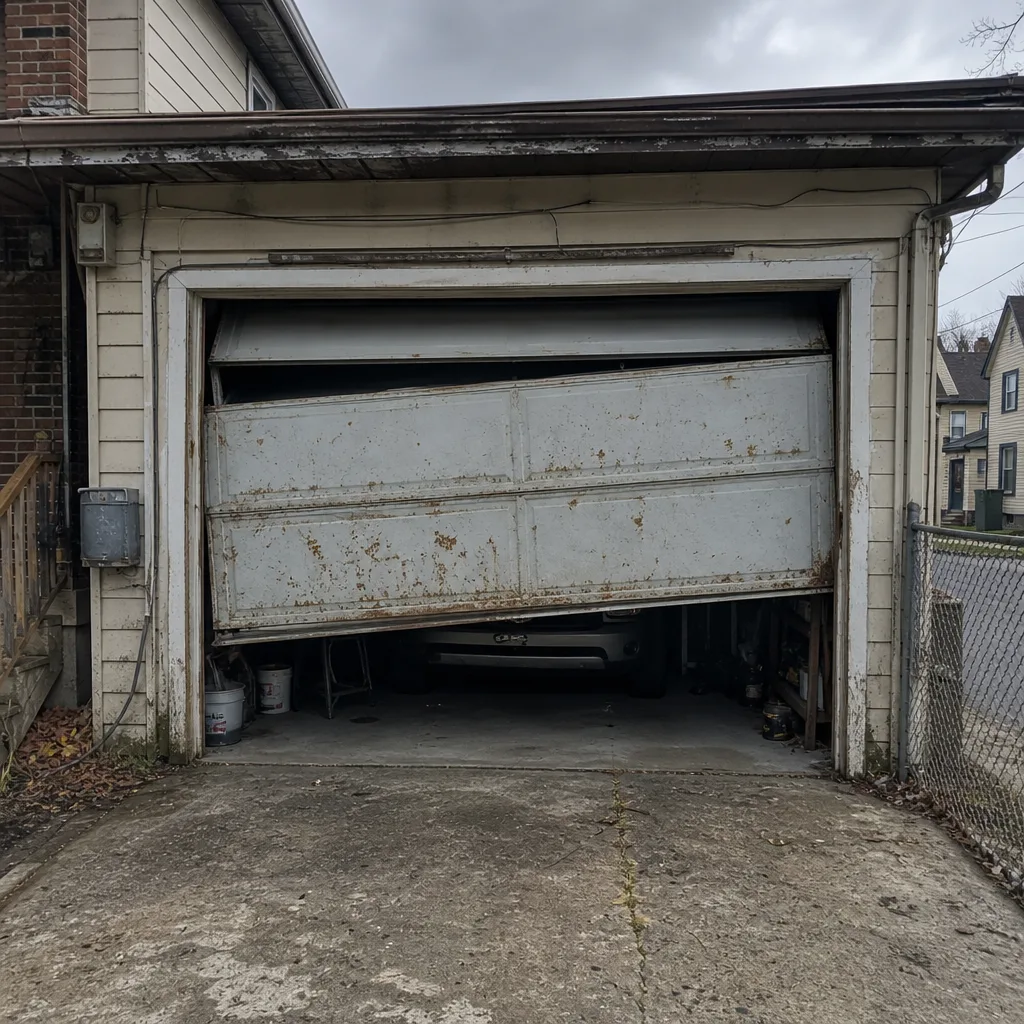 Before
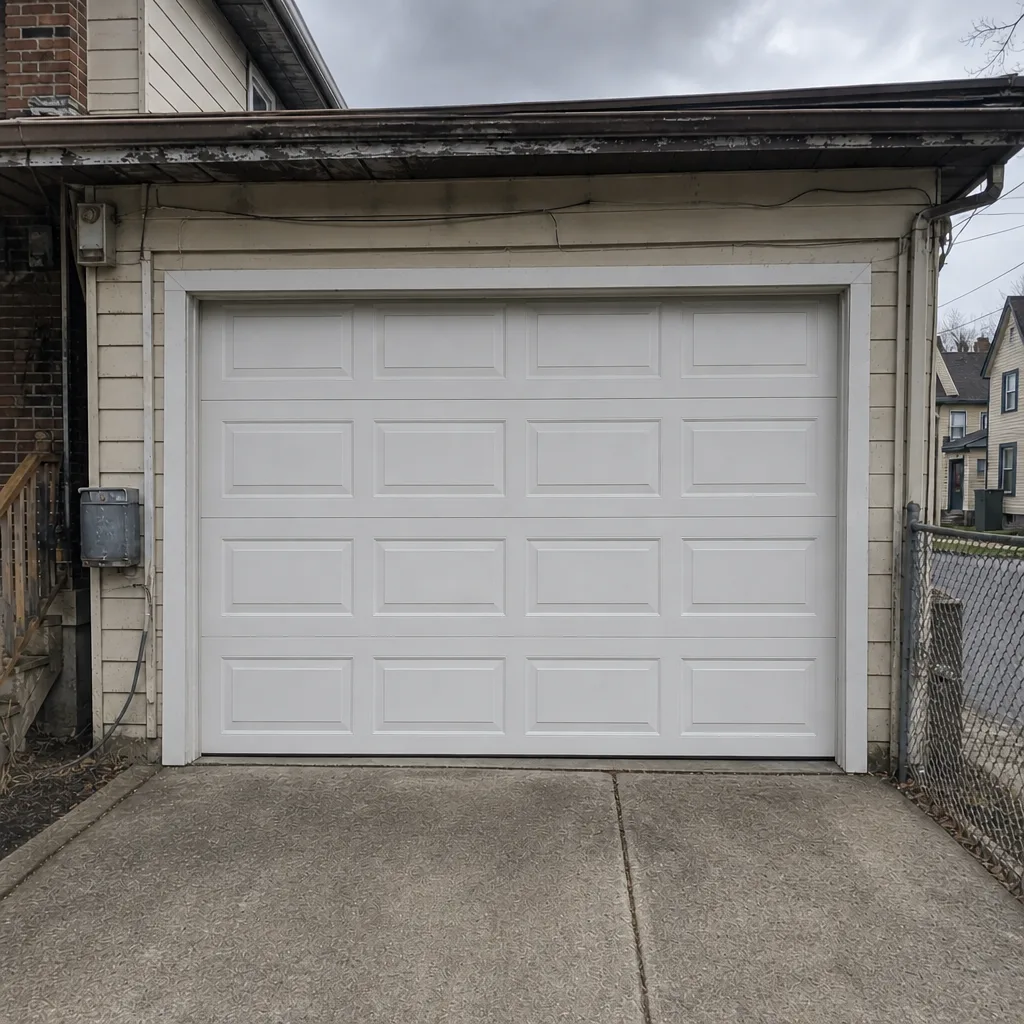 After
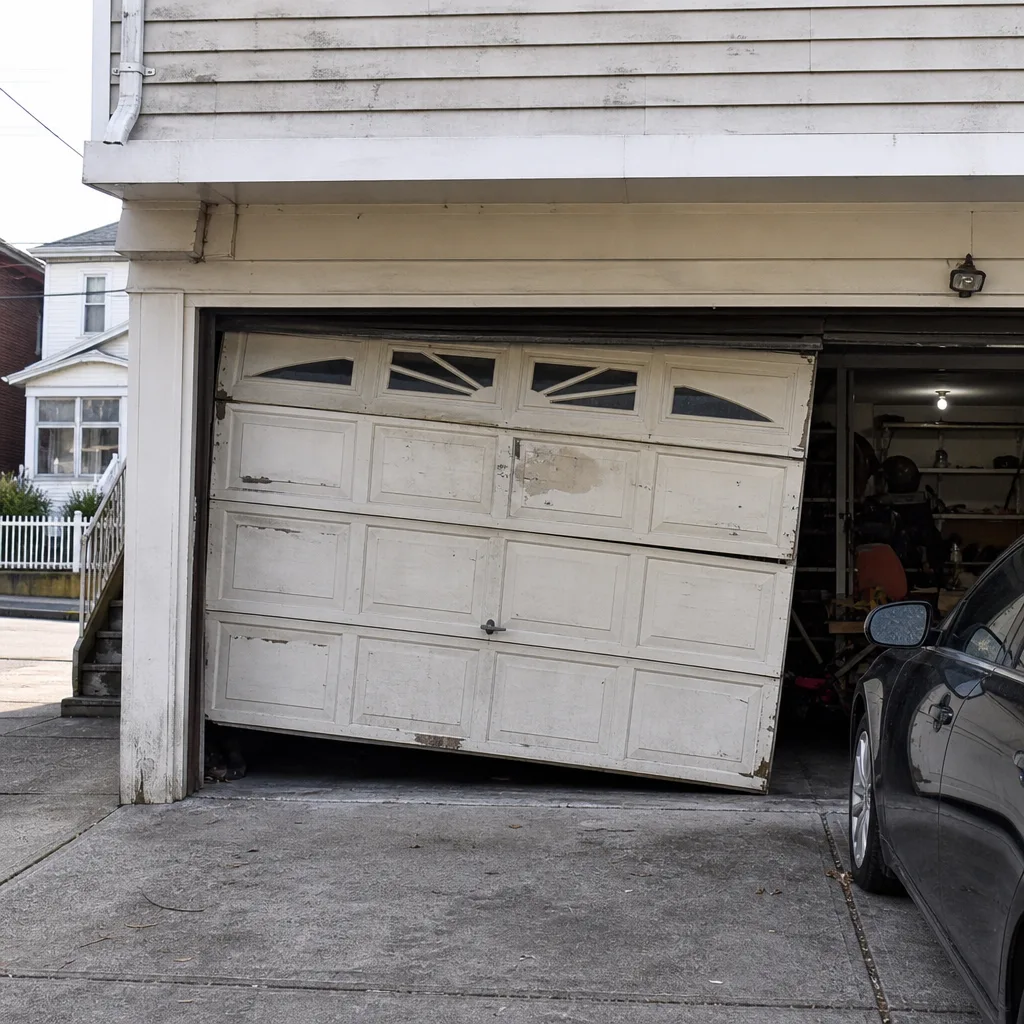 Before
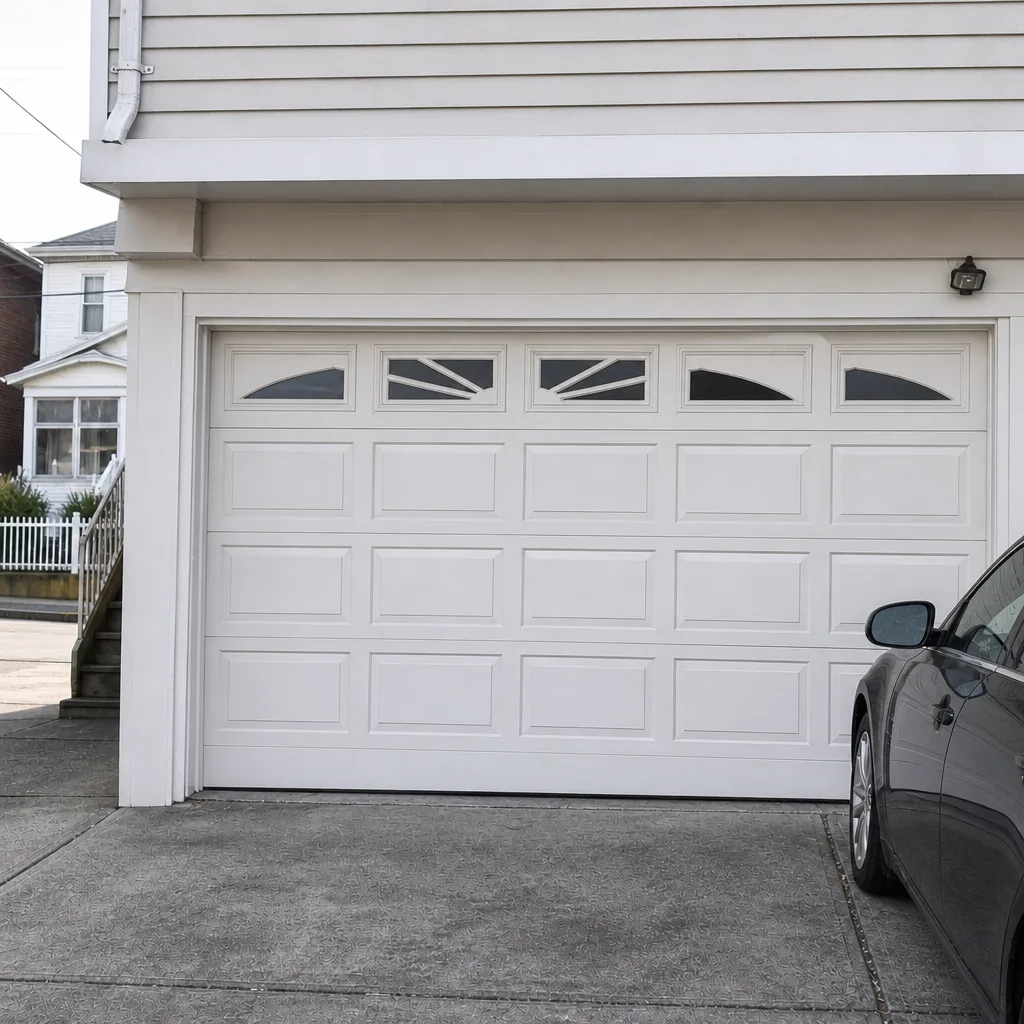 After
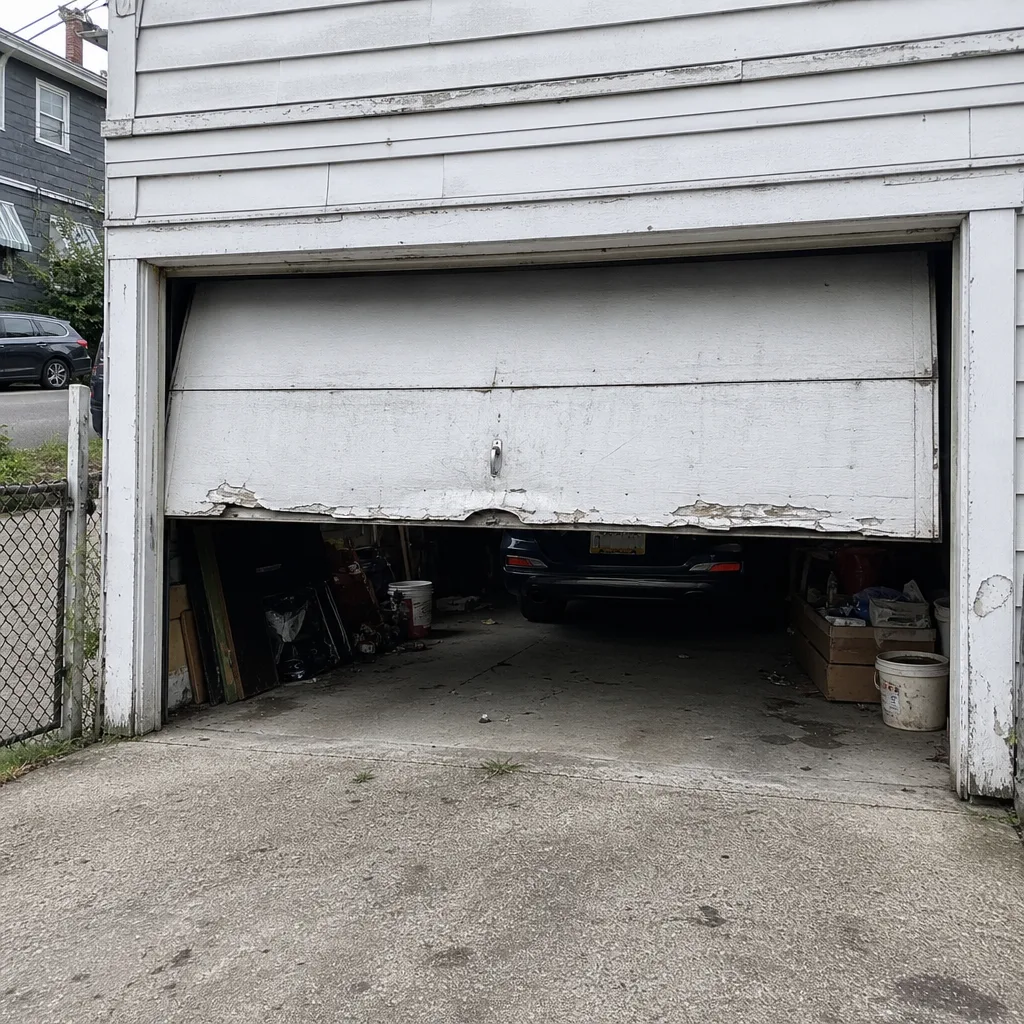 Before
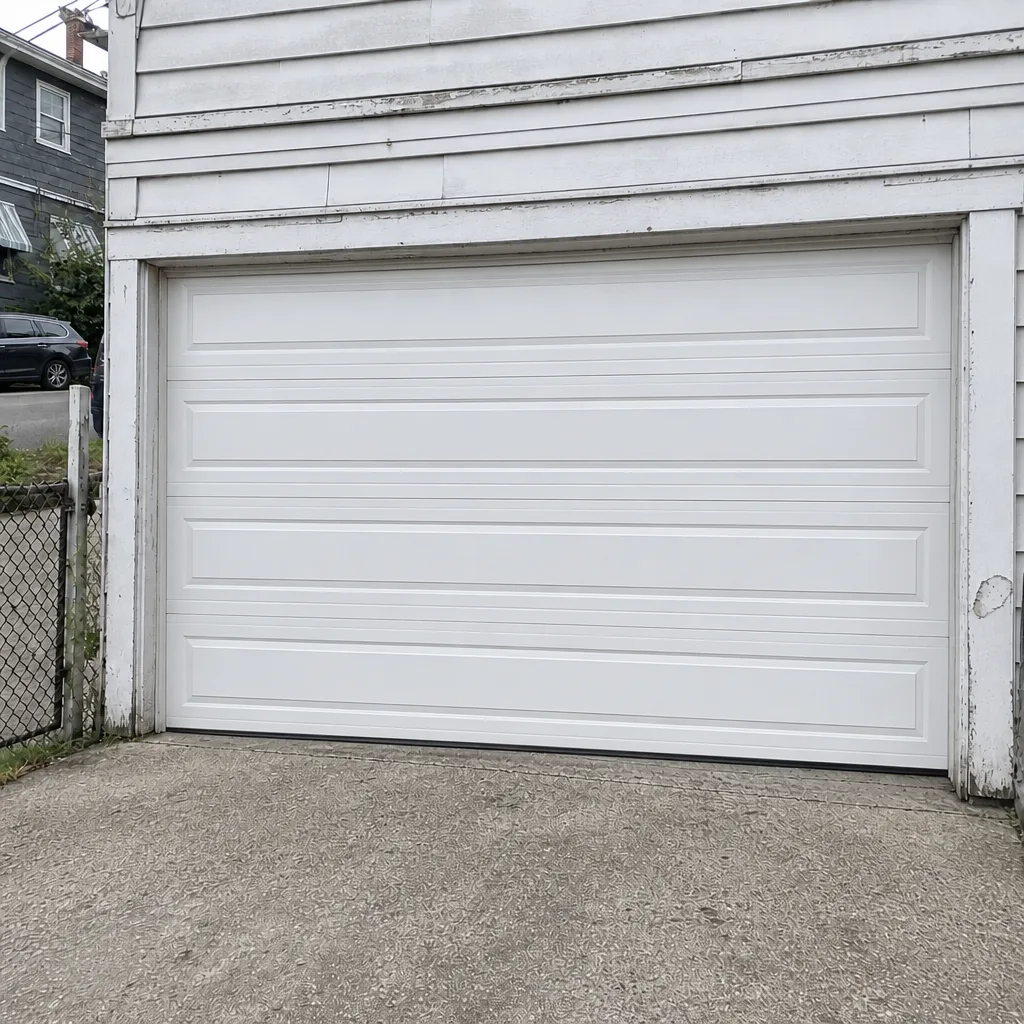 After
When to Call a Professional
Call a professional for anything involving tension, height, or electrical work. That means a snapped spring, a door that’s come off one track, a cable that’s jumped its drum, an opener that won’t reverse or is straining, or a door that’s stuck open or shut. Also call when a repair on one part keeps turning into a repair on the next, because that often points to a deeper issue that a specialist can diagnose in a single visit. Spring and electrical work are genuinely dangerous, so don’t try to handle them yourself.
Garage Door Repair Bergen-Lafayette offers free estimates in Bergen-Lafayette – call (844) 960-3603. We answer 24/7. Fast dispatch from 7am to 7pm, Sunday through Friday. We work on the brands that are actually on your door: LiftMaster, Chamberlain, Genie, Clopay, Amarr, Wayne Dalton, Craftsman, and Raynor, and the price is quoted and agreed before any work starts. If you’re weighing repair against replacement, the estimate tells you what each path costs.
Frequently Asked Questions
Start by calling two or three dedicated garage door specialists, not general handymen, and ask the five vetting questions in this guide. Confirm they work on your specific door and opener brand, ask for a written itemized estimate before any work, ask about their license and insurance as the state requires, and ask for their parts and labor warranty in writing. The contractor who answers those clearly and hands you paperwork is the one to hire. For a fast start, call (844) 960-3603.
Most cities require a permit for replacing a garage door or its structural components, but the rule varies, so ask your local building department directly before work is scheduled. A reputable contractor will know what’s typically required in this area and can point you to the right office. Never skip that check; a door that’s installed without the required permit can cause problems later when you sell or file a claim.
Most common repairs, like a spring replacement or an opener fix, are done in a single visit, often in under two hours. The timeline depends on what parts are needed and whether the door is in worse shape than expected. A specialist will tell you at the estimate how long the work is expected to take. For emergency work, dispatch runs 7am to 7pm, Sunday through Friday.
Torsion springs mount on a shaft above the door and twist to lift the door; extension springs stretch along the sides and run parallel to the tracks. Torsion springs are generally considered safer and smoother to operate, but both are under very high tension and should only be replaced by a trained technician. Ask your contractor which type your door uses, and whether they’re replacing one or the matched pair.
In many cases yes, especially for common failures like a dead remote, a misaligned safety sensor, or a gear that’s stripped. Same-day service is available for urgent needs and for many routine repairs. Call (844) 960-3603 for an exact assessment. We answer 24/7, and dispatch runs 7am to 7pm, Sunday through Friday.
The names that come up most on homes in Bergen-Lafayette are LiftMaster, Chamberlain, Genie, Clopay, Amarr, Wayne Dalton, Craftsman, and Raynor. A cross-brand specialist works on all of these rather than pushing a single manufacturer, which matters because mixed and legacy setups are common here. Ask specifically which brands they service and confirm yours is one of them before booking. Call (844) 960-3603 to confirm.
The Bottom Line
Hiring well in Bergen-Lafayette comes down to fit. Urban job sites, tight driveways, shared access, and older row-house garages ask more of a contractor than a suburban driveway does, and a specialist who’s worked these setups is worth seeking out. Confirm cross-brand familiarity with your door and opener, ask the five questions, and read the quote line by line so the price you agree to is the price you pay. Springs and electrical work deserve a trained technician, and a real warranty is in writing. That’s the whole filter. When you’re ready to put these questions to a specialist, call (844) 960-3603 for a free estimate. We answer 24/7. Fast dispatch from 7am to 7pm, Sunday through Friday.
Written by the team at Garage Door Repair Bergen-Lafayette.